The floods have receded, leaving us to survey the damage. There is less than we feared. The water entered the land through a few main points. We think we can close most of them up so that much of the land isn’t affected next time. The one part of the land which is very low could be separated by a high mud berm and planted with trees that can survive being under water for a couple of weeks at a time.
The rice survived because we ended up planting it on the highest – and only unflooded – plot. Most of the saplings survived as well, even those that were under water! Ravi, our estate manager thinks is is because most had a few leaves above the water. And the flood did not last very long, though it was extremely dramatic. We were lucky.
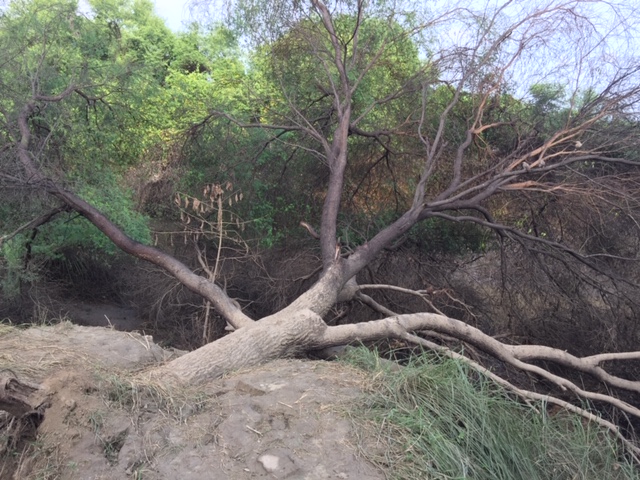
(below) The big, beautiful babul tree on the way to the nala fell over. We expected many others too, which didn’t. This one was the oldest and loveliest.
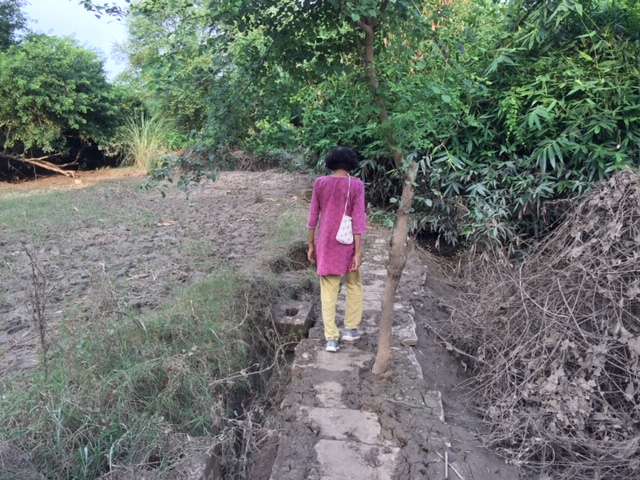
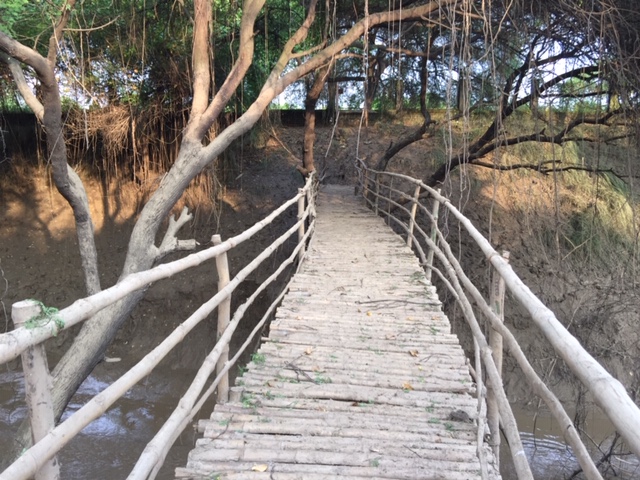
(below left) On the muddy walk to the nala, and (below right) the bridge, covered with a fine layer of mud.
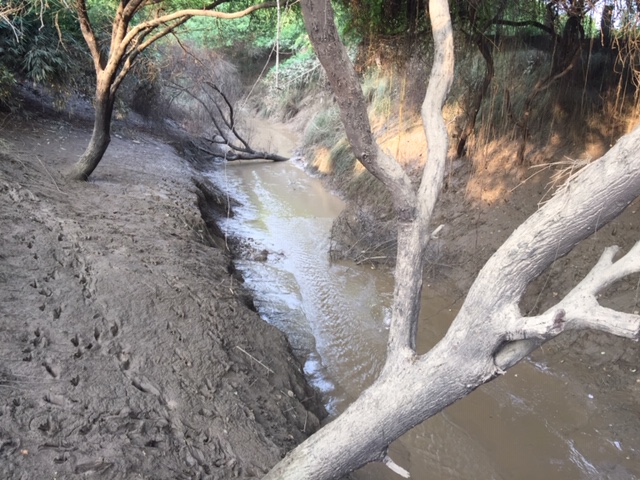
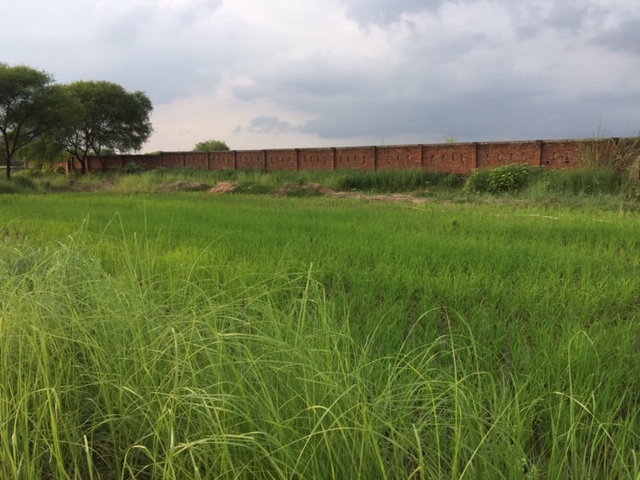
(above left) The water left behind a lot of silt, and the nala is much less deep now. Let’s see what happens after another month of rain. (above right) Our rice field.
 gangavan.org