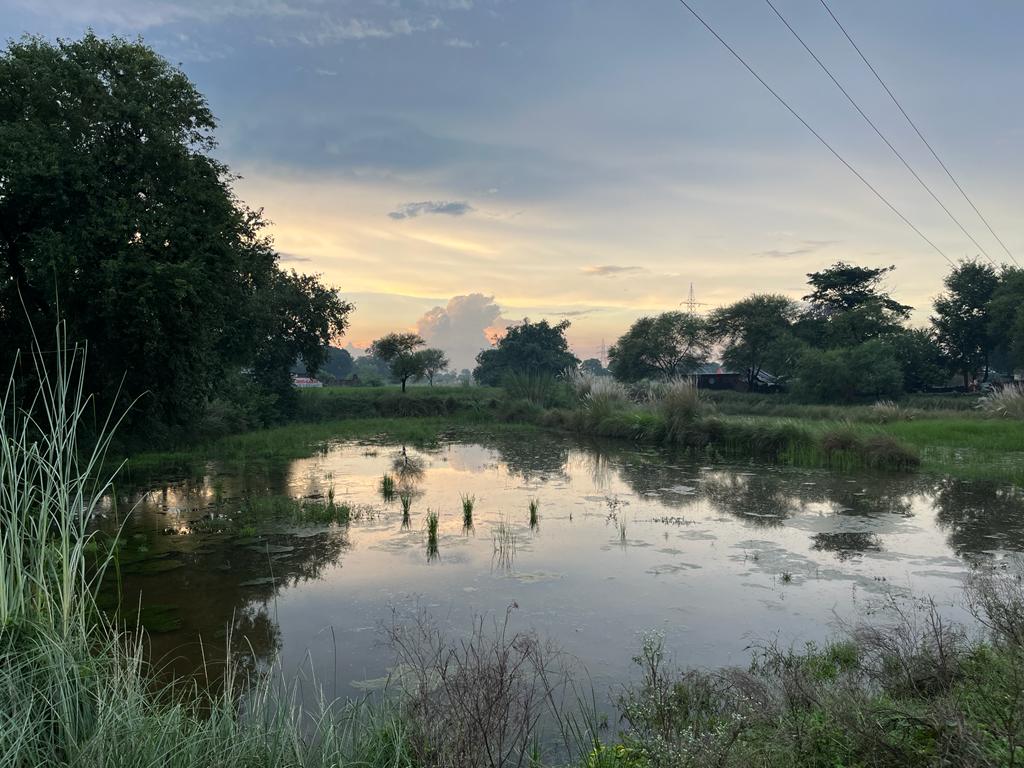
It has been a few months since we posted on our site. Ganga Vana has gone through a cycle of seasons: the monsoon and winter. Now it is Phalgun, the last month of the Hindu calendar, and it is Spring, or perfect weather.
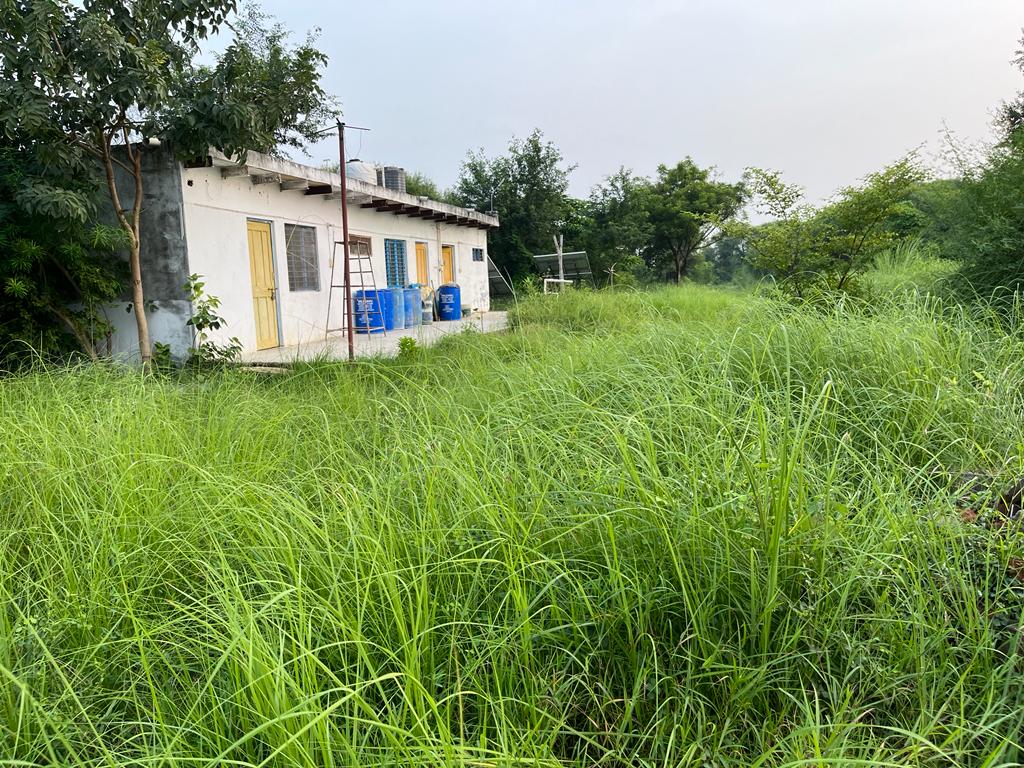
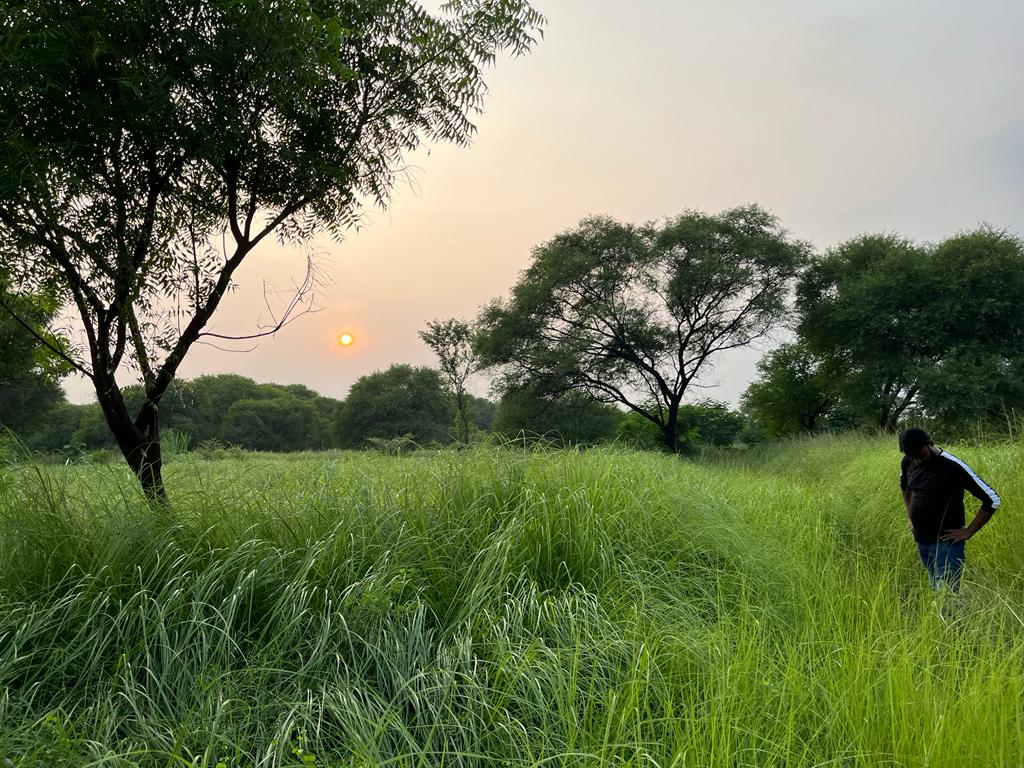
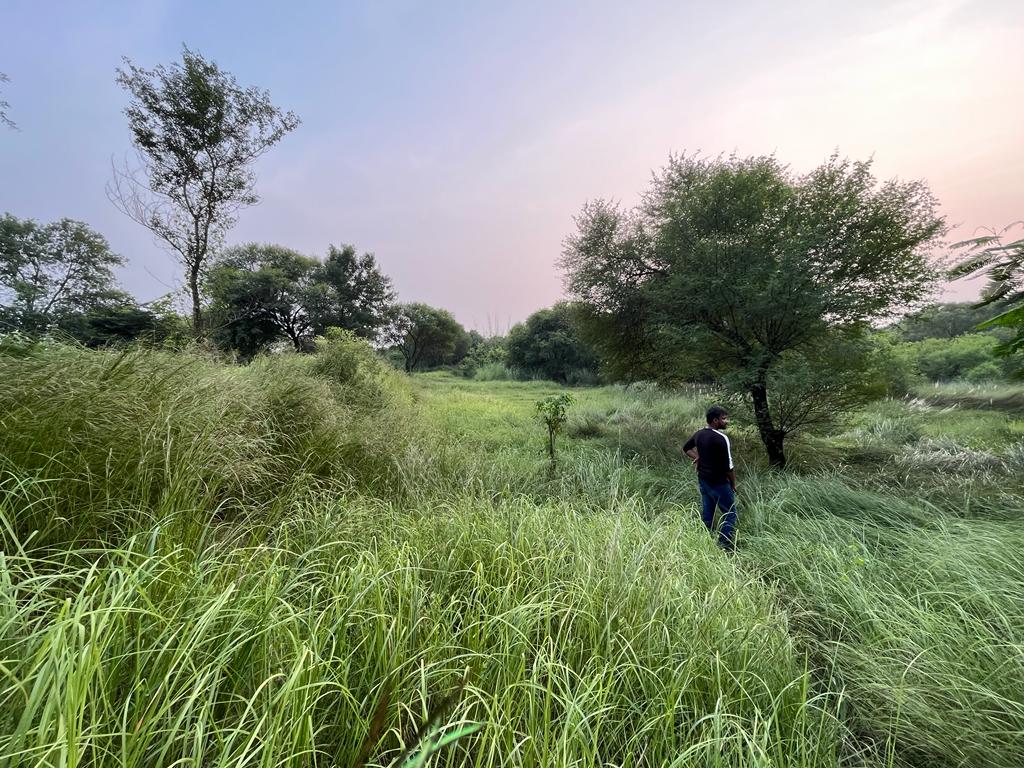
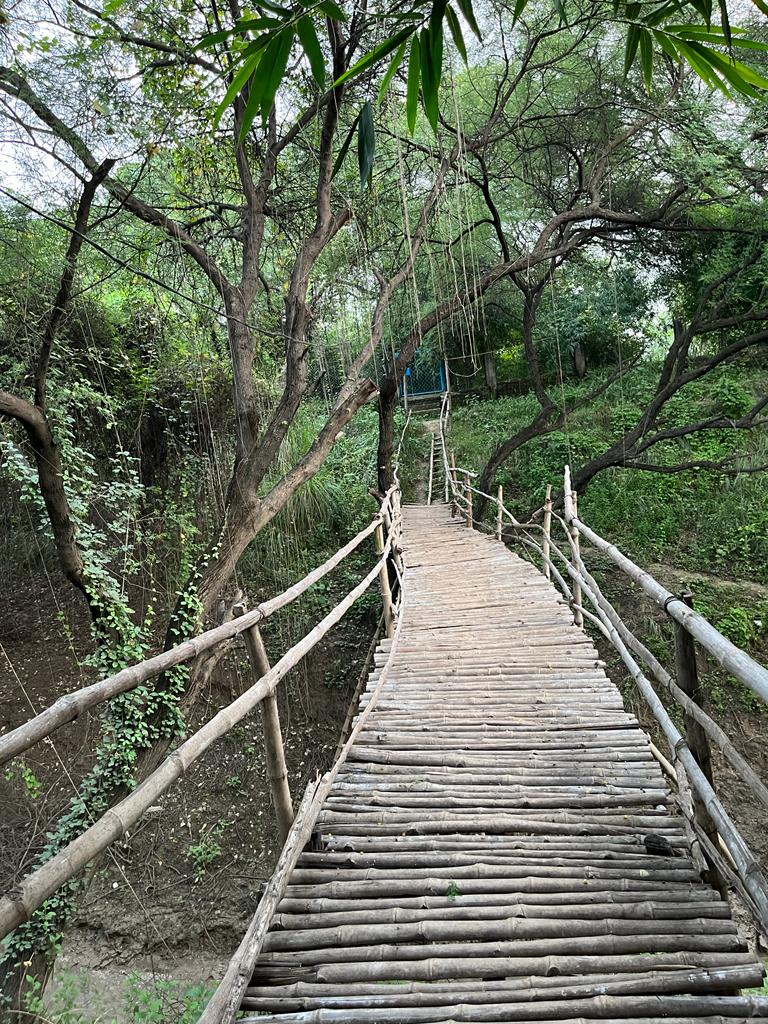
Welcome back to Ganga Vana. We look forward to sharing with you all kinds of ruminations on the goings-on on our lovely riverside ‘jungle’ campus.
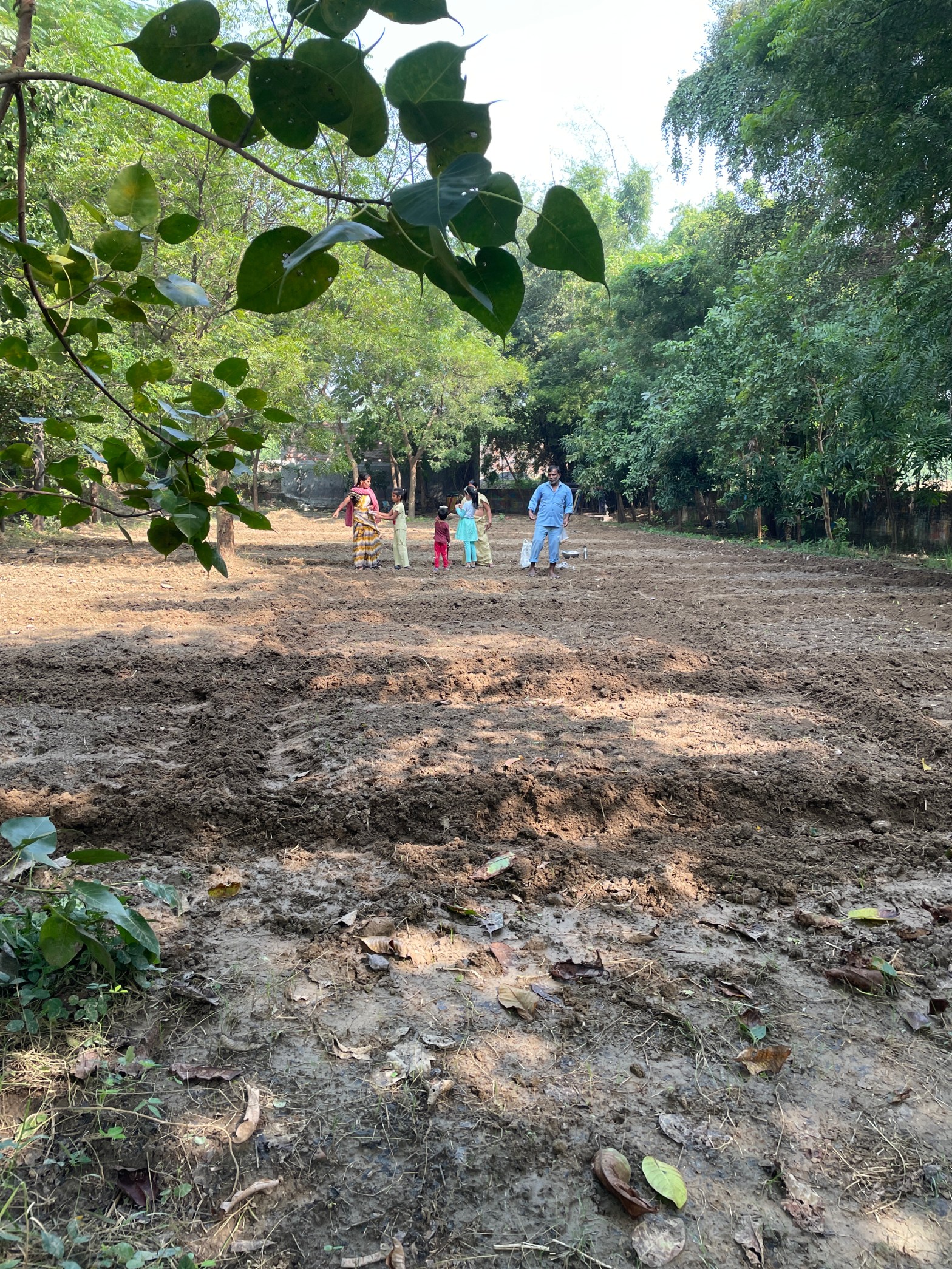
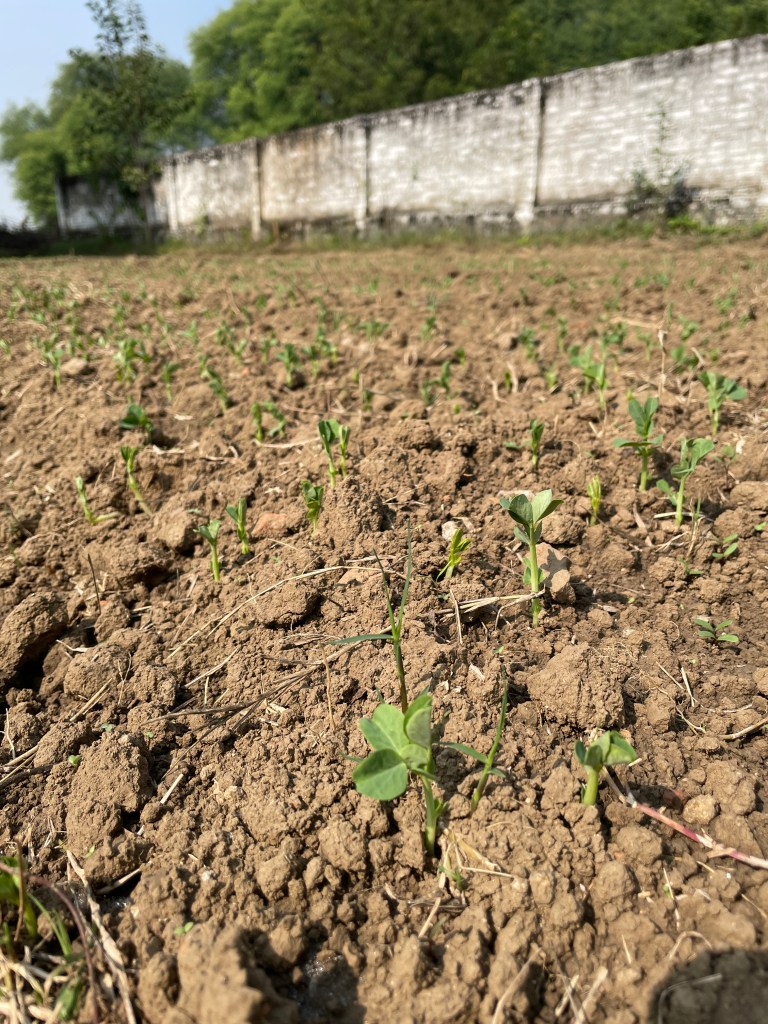
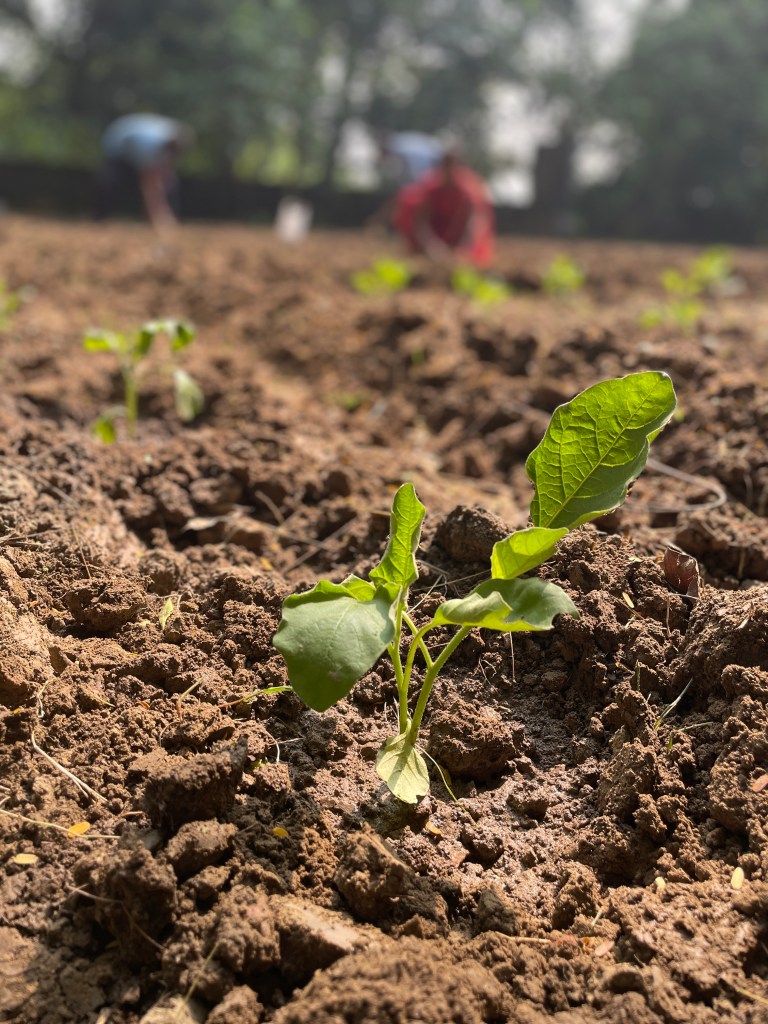
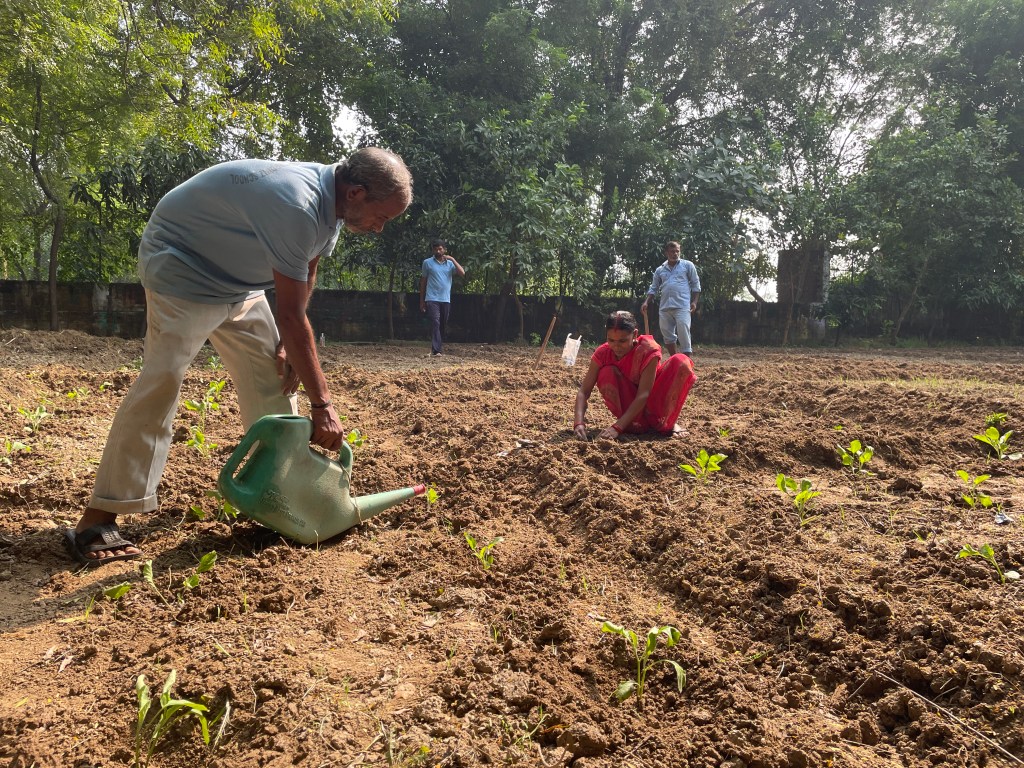
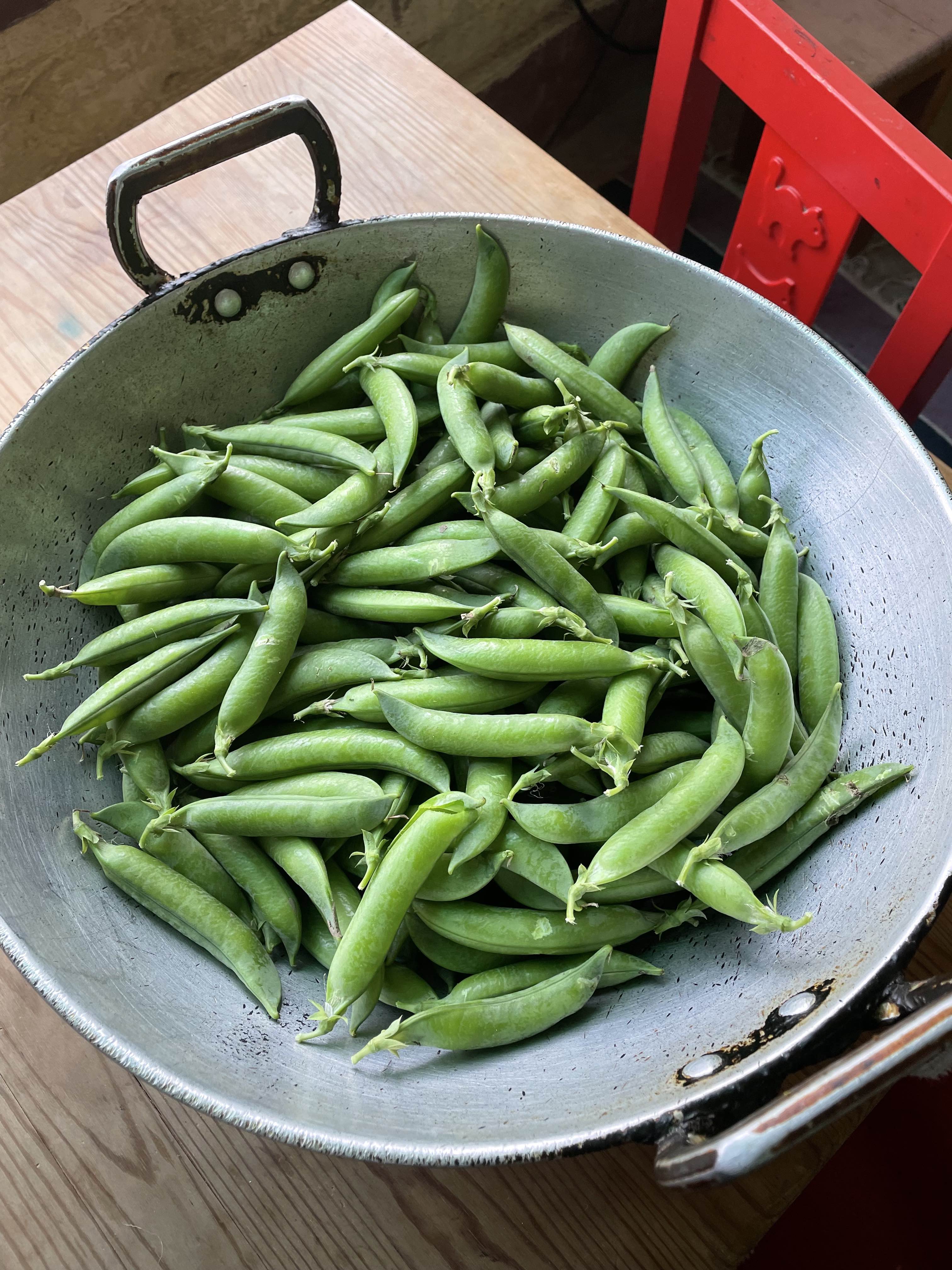
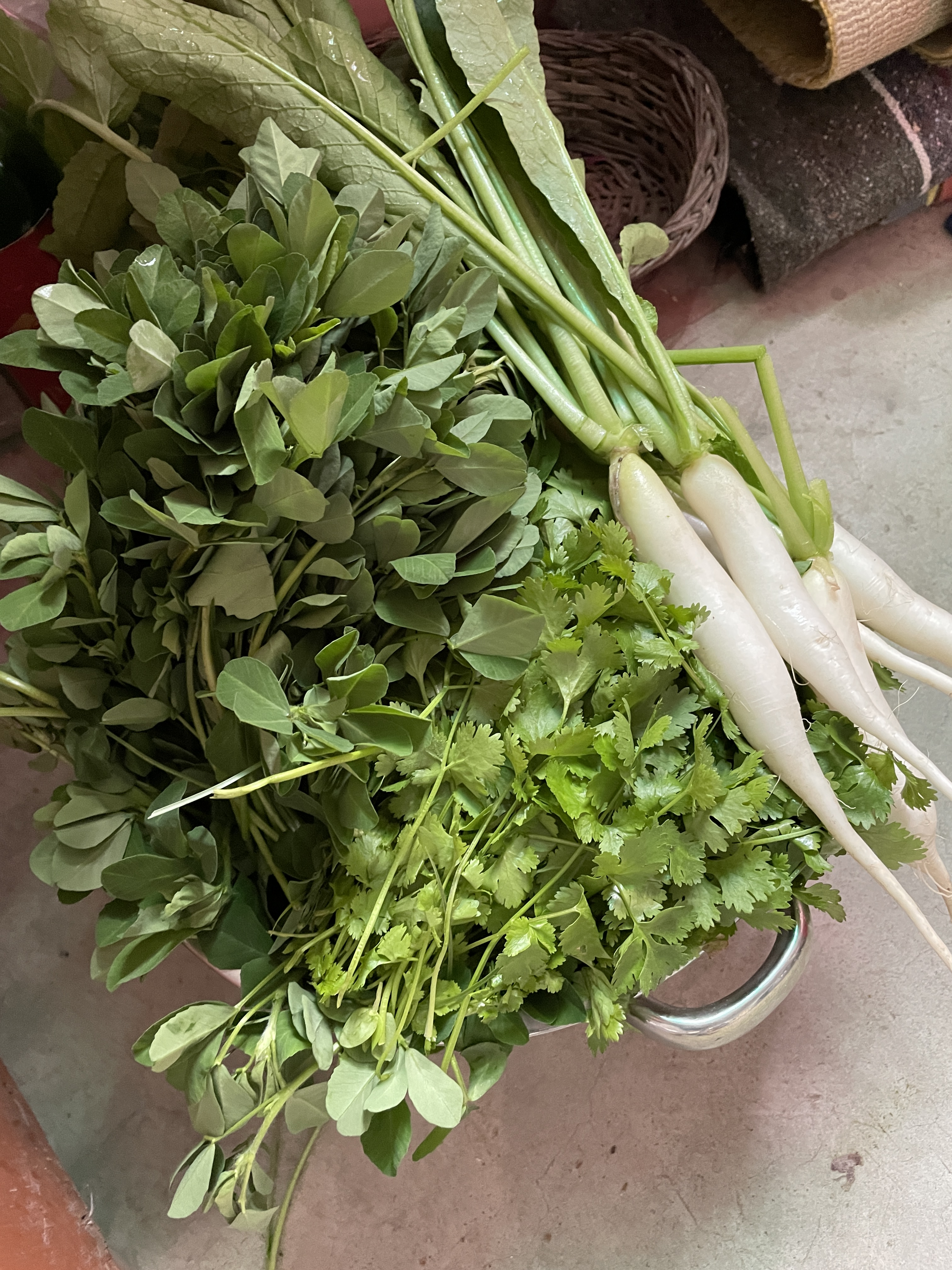
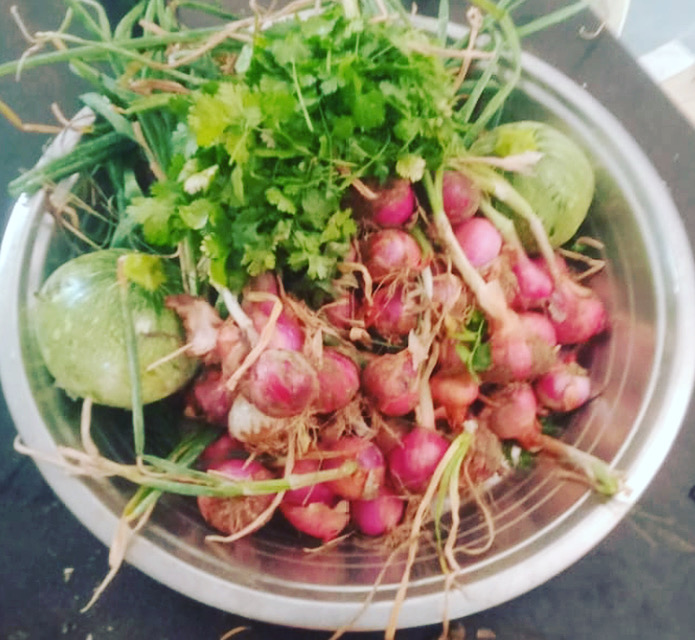
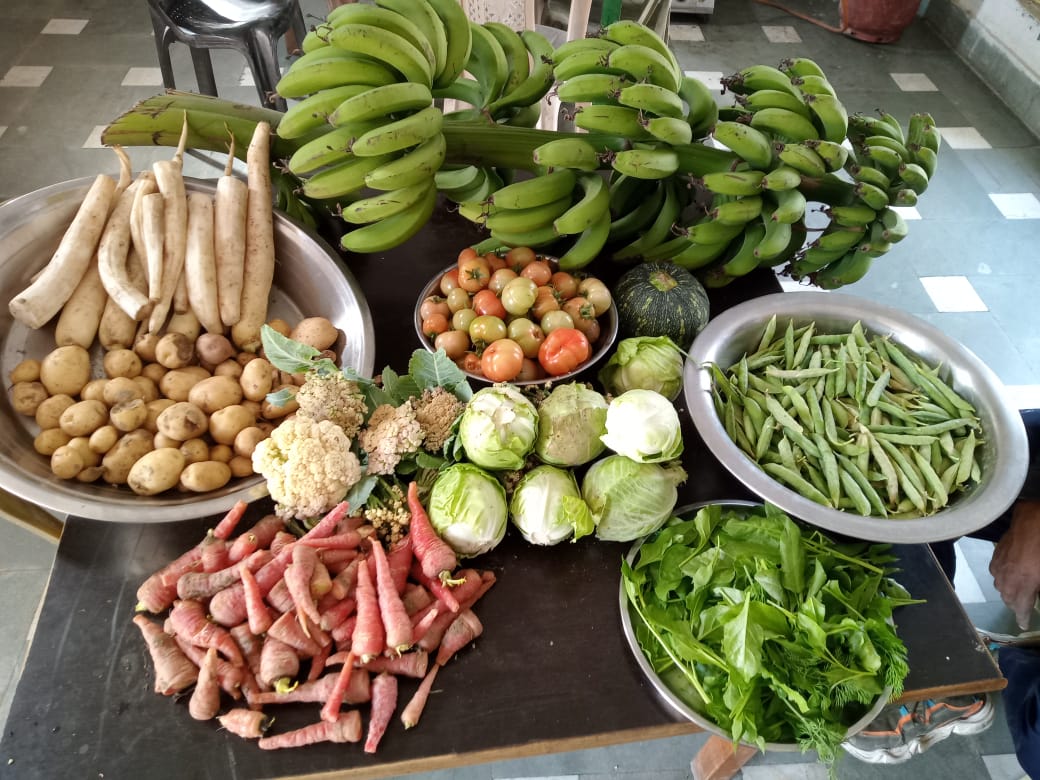
The one thing making the most impact right now is our plentiful harvest. We have a field full of peas….we have already shelled and frozen many kilos. We eat them everyday, in curries, rice dishes, and as a snack. The cauliflowers are enough to feed the campus daily. The carrots and radish are more than we can manage. On certain days there is radish dal for lunch, together with a radish greens curry and a radish salad. No one complains! So tasty is everything. There are basket-loads of spinach and coriander (palak and dhania), fenugreek and dill (soya and methi). I didn’t mention the potatoes: small, succulent, their skins transparent and fresh—real babies.
It’s a puzzle as to the best use of these super organic vegetables. Very few can be stored or frozen. To sell them needs organizing ourselves for the enterprise. Over-eating seems the only recourse.
On visiting back after a few months, one cannot help how are critter neighbours have fared and what the seasons are like for the different creatures for whom the place is home. What are their concepts of the calendar, of time, of the cycle of the year? So much to research!
The largest animal on our land is the nilgai (Boselaphus tragocamelus), the largest Asian antelope and the sole member of the genus Boselaphus. They can be seen singly, or n herds. They stand very still and gaze out into the distance as if lost in a vision. They are shy of humans and if the humans approach even a modest distance, they gallop away soundlessly. They are not aloof when it comes to humans’ products, however. They graze appreciatively on new-sown shoots and midway grown crops and then fully grown stalks. Indeed, they are downright greedy (and always hungry) and can leap over the highest boundary walls to get at crops. Many a time have they have dropped the bricks of the top three or four rows in our boundary wall. Then they stand in the distance, quiet, still, happy.
As buildings, walls and human settlements expand, they are being chased away, since everyone chases them away, much as city people do monkeys, including with false gunshots. We are always cursing them for their destruction of walls and crops, but at heart we want them to stay. Not only do we want to disturb the natural web as minimally as possible, we would love to have animals sharing the land with us. The departure of any one species is a potentially tragic thing.
The second biggest animal on this plot of land named “Ganga vana” or “The forest on the Ganga” is the siyar, a jackal or hyena. Its call is plaintive. Every evening, at sunset, just after we have returned home from work or play on the land, washed up and resumed our urbane, cultured identities, a cry reaches our windows from the wild. Or rather, cries. In terms of spotting, we have only seen one siyar at a time. But we can hear, always, a team. Are they a family? A clan? Ae they two competing groups? The cries are hair-raising, as if they were a kind of monster babies being tormented, or demons in disguise to lure you into chasing them.
Smaller than them are the siyahi, or porcupines. To be exact, the Indian crested porcupine (Hystrix indica). None of us have seen one. We have collected its quills, however, and taken them home. We stroke them and admire them—they are strong, somewhat pliant, and anywhere from six to eighteen inches long. The porcupines are destructive too, like the antelopes, and we can see evidence of their having dug up our lovely potatoes, onions, radish and cauliflower. As Wikipedia tells us:
“They consume a variety of natural and agricultural plant material, including roots, bulbs, fruits, grains, drupe and tubers, along with insects and small vertebrates….These porcupines can act as substantial habitat modifiers when excavating for tubers. They are also considered serious agricultural pests in many parts of their range due to their taste for agricultural crops. For these reasons, they are often regarded as a nuisance.”
Now, we don’t exactly regard them as a ‘nuisance.’ We want them to stay. Maybe all we need is to re-define our needs so that whatever the land produces can be shared by all animals, from humans down to the lowliest.
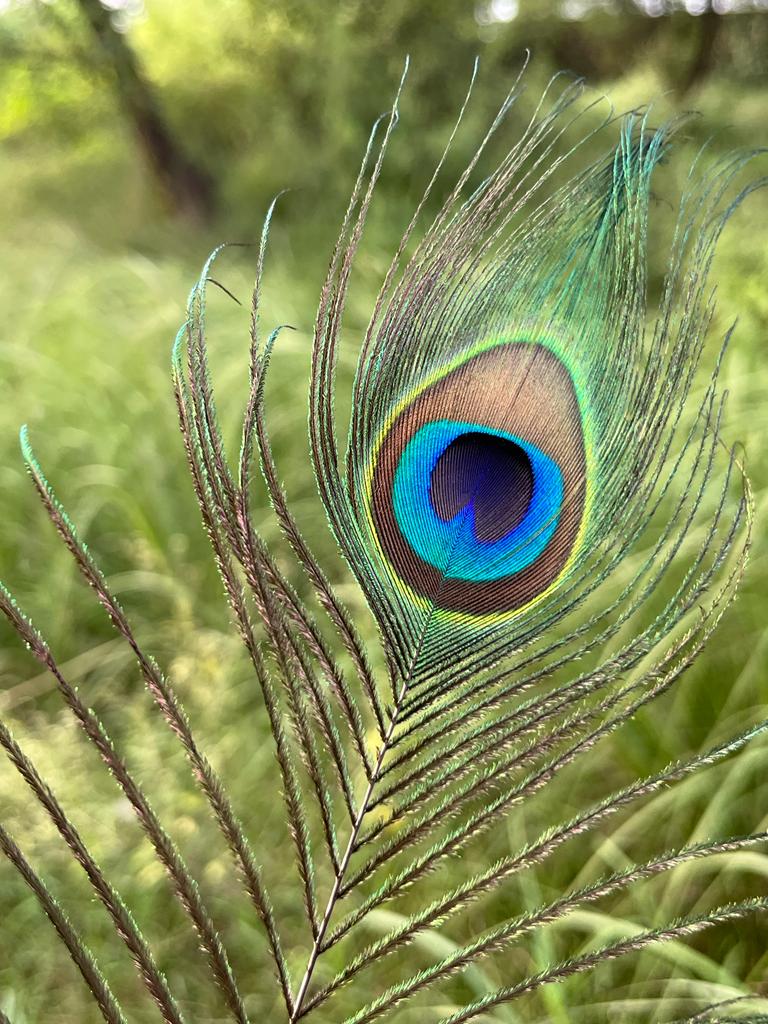
Peacocks and peahens are probably larger than porcupines, and they walk around like animals, only essaying a flappy flight to cross a wall or reach their nests. Peahens, peacocks, other birds, snakes, dogs, cats, spiders, insects, and ants, all to come.
Pictures to follow!

 gangavan.org