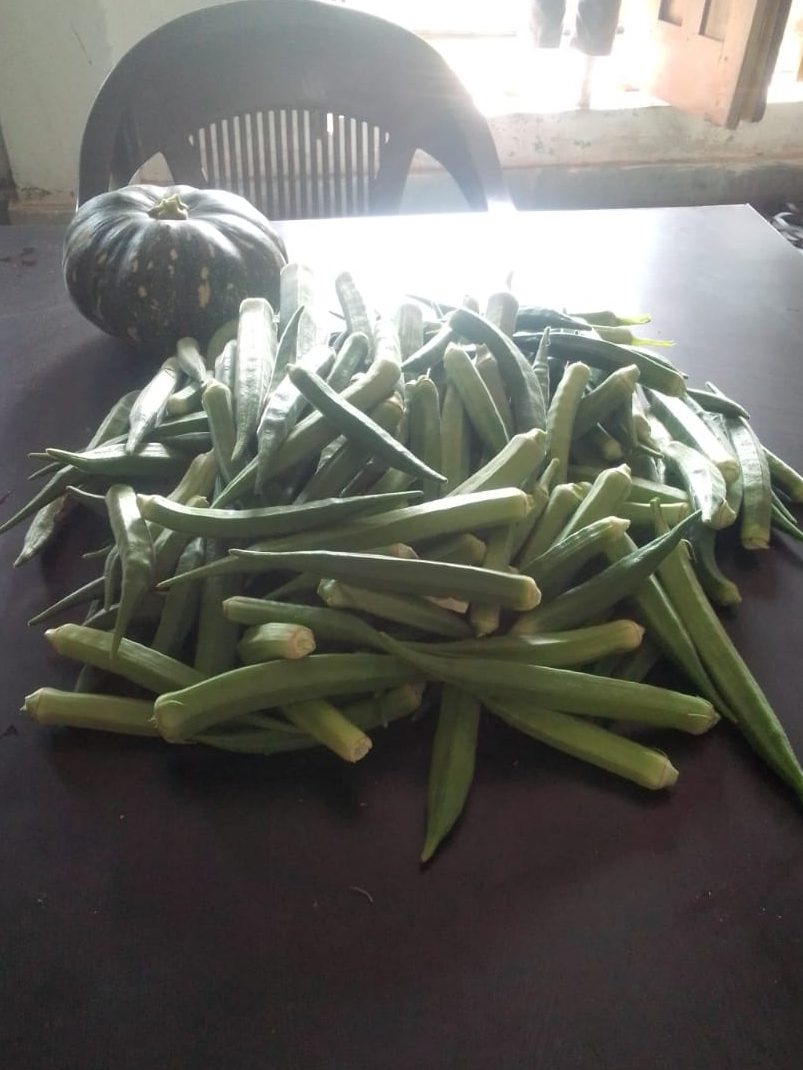
We are thrilled to be harvesting our lovely organic monsoon veggies! We have kilos of kaddu (pumpkin), bhindi (okra), torai (ridge gourd), beans, and karela (bitter gourd). We are happily consuming them, but also trying to figure out how to save some for future months…
The most amazing thing to us is how LARGE and perfect looking everything is. The okra is fatter and longer than what we usually buy from the market. And we thought organic = small and stringy! Is that a complete myth?
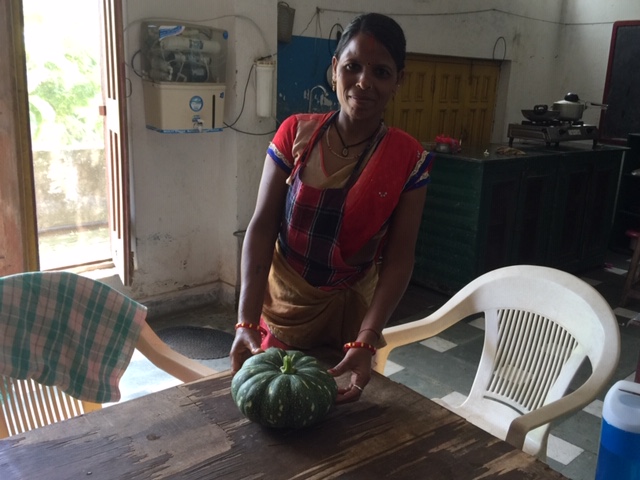
(above) Our ‘all-rounder’, Chinta, who can cook, clean, farm, and is a favourite of the children!
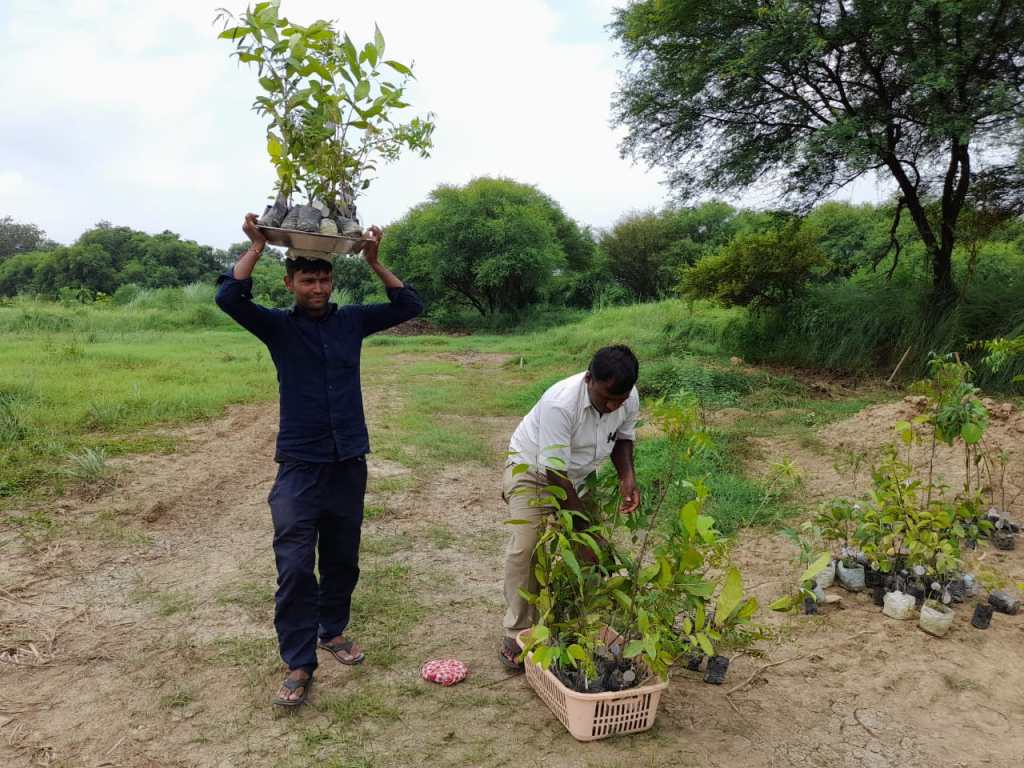
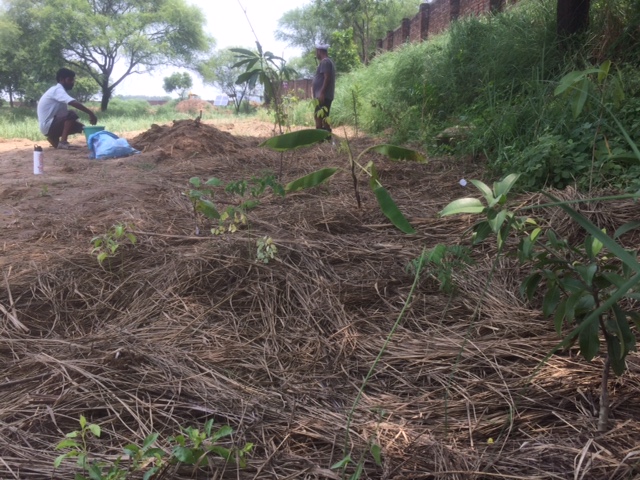
We are finally planting our next batch of 350 trees, and are so happy to be getting back on schedule with those.
(right) Our intrepids, Akash and Ramesh, bringing the saplings over, one container at a time.
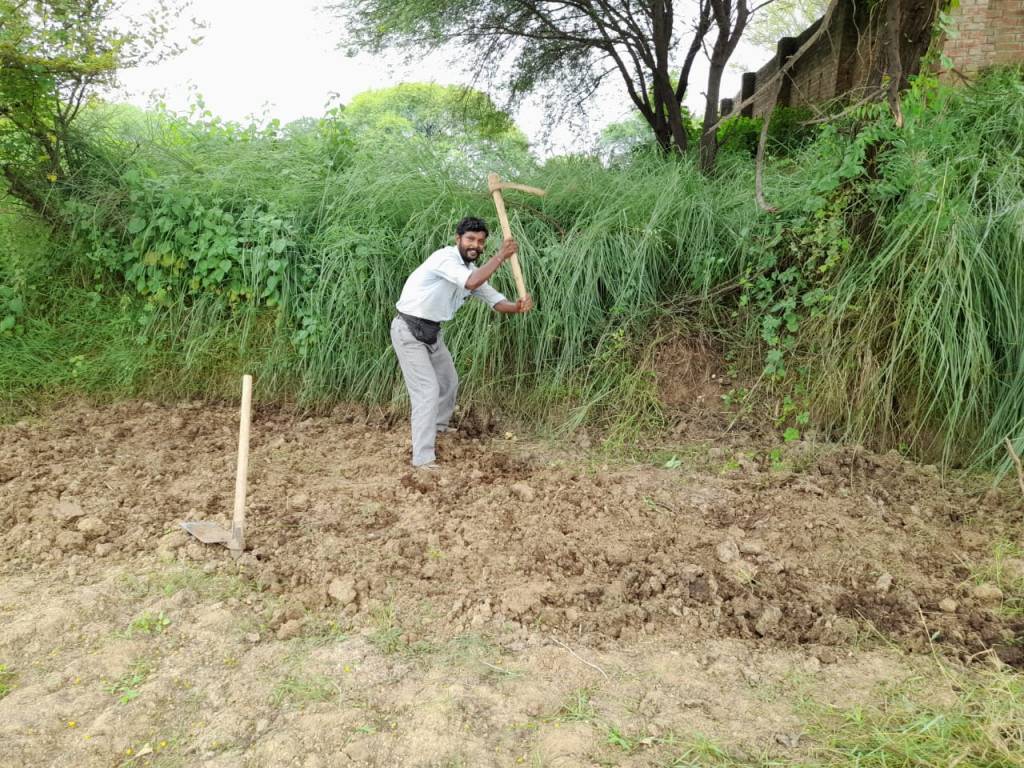
(below) Sunil, the ever-cheerful, loosening up the top layer of the newly filled trenches after the recent rain we have had.
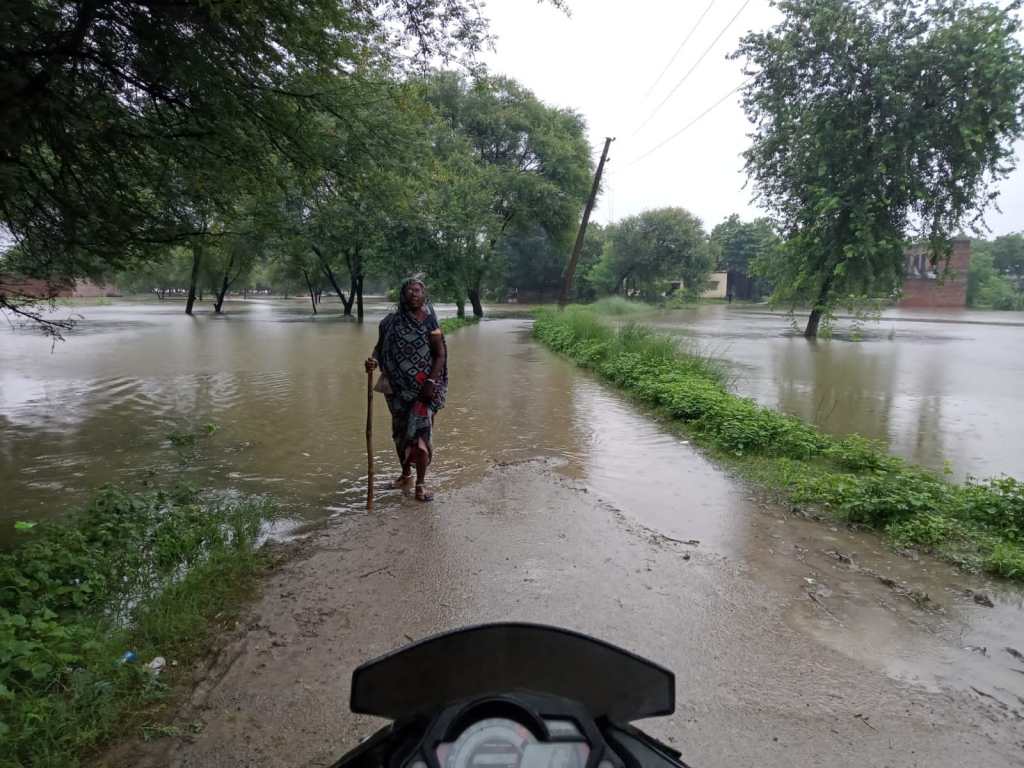
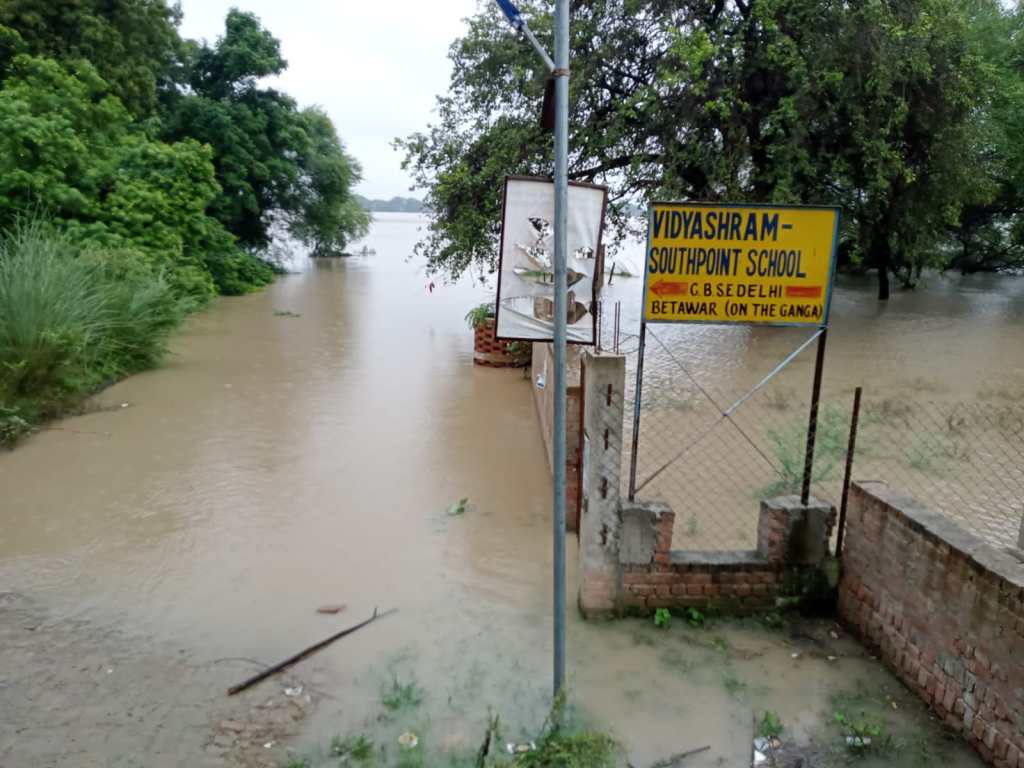
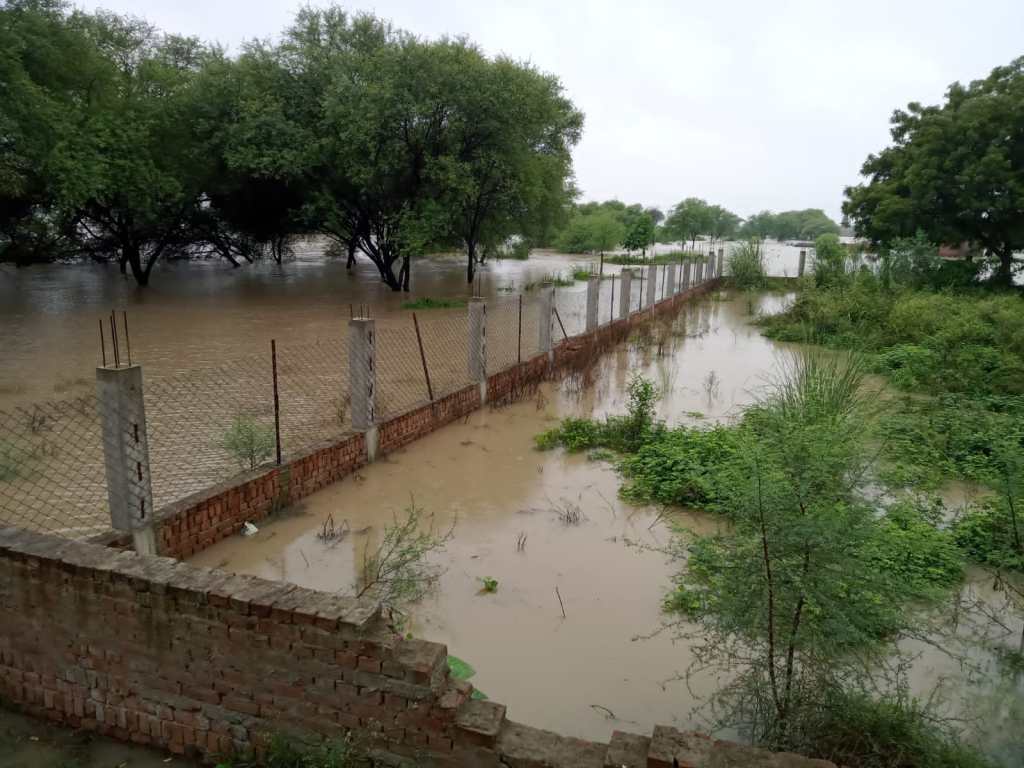
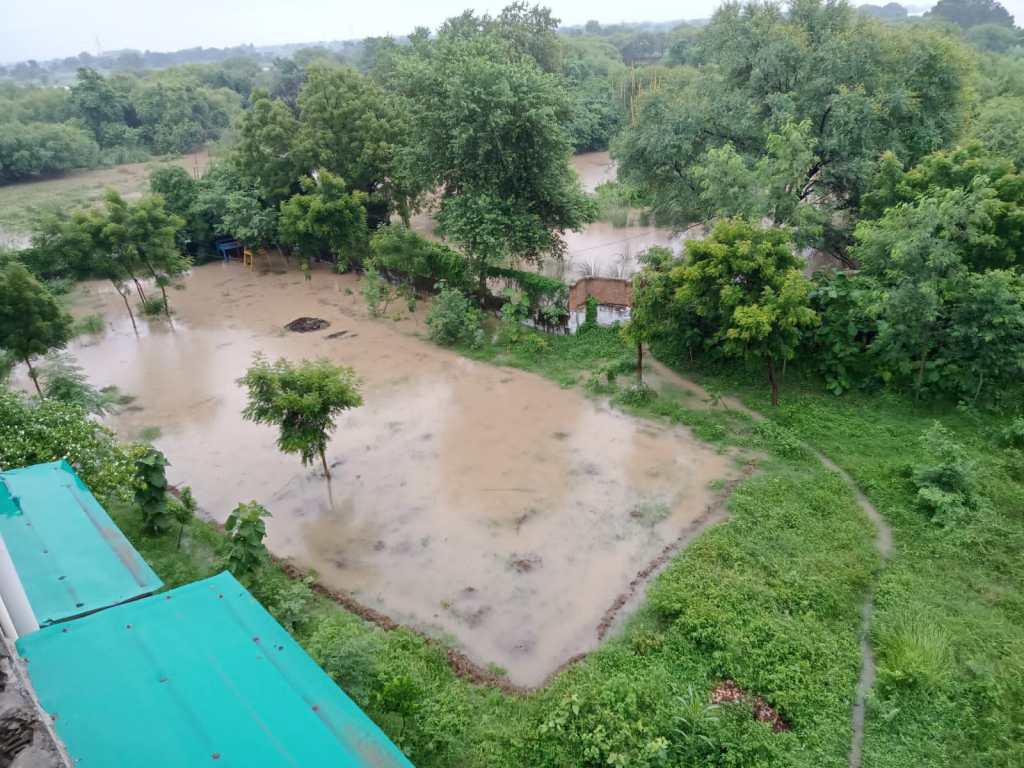
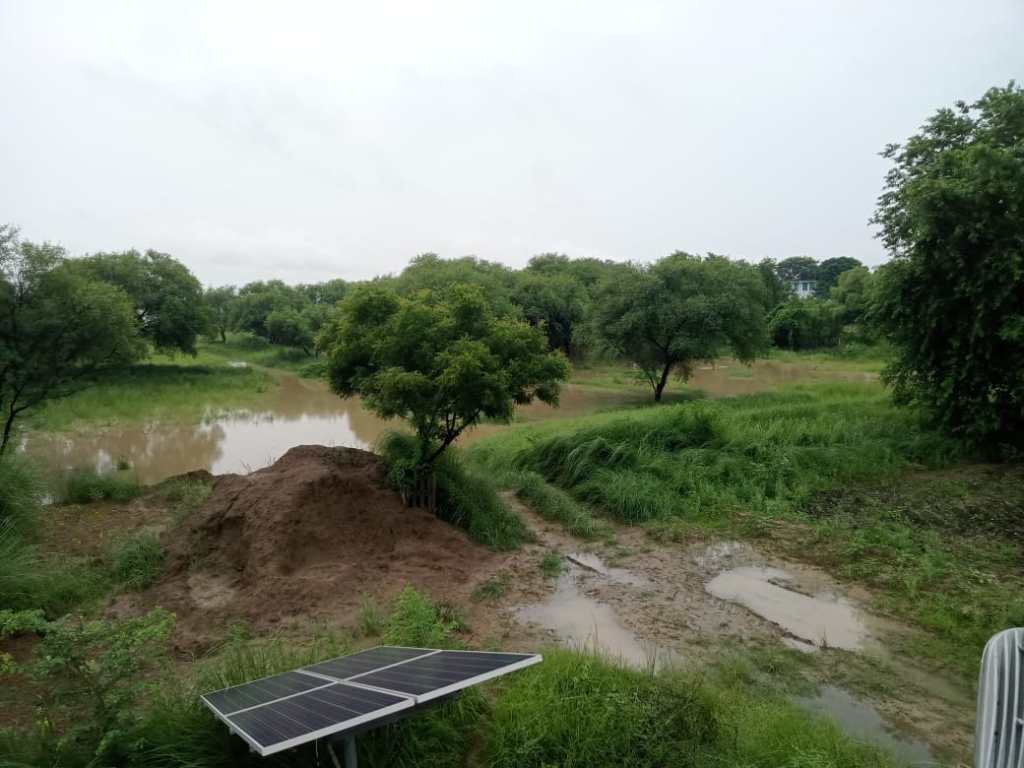
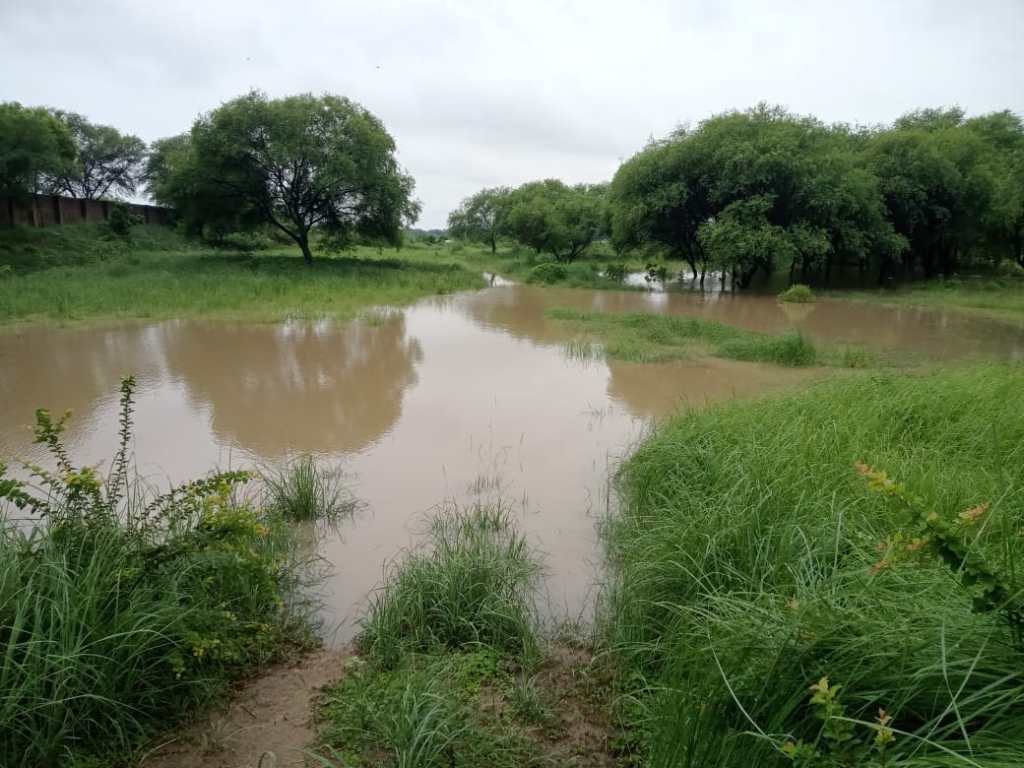
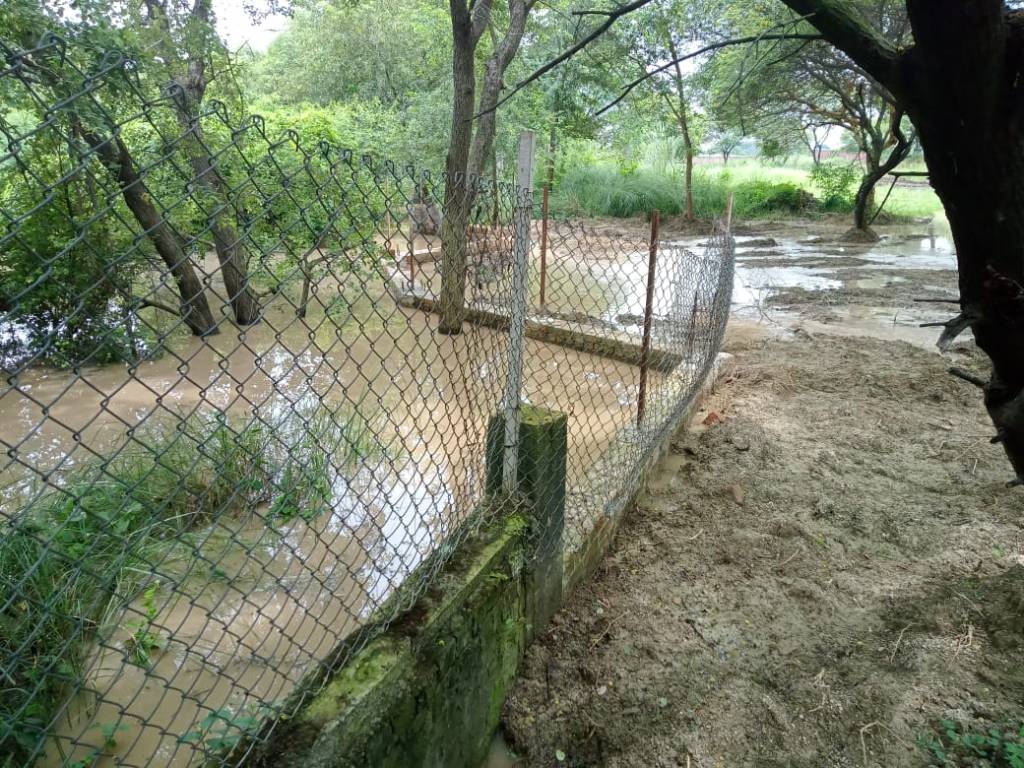
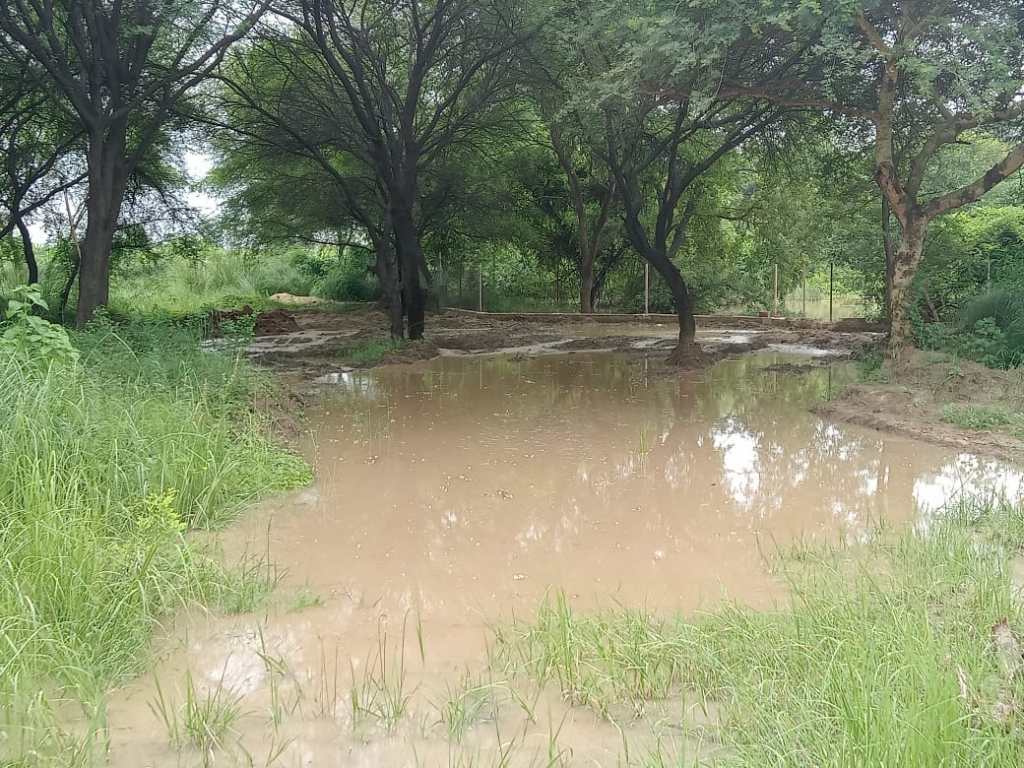
The floods have receded, leaving us to survey the damage. There is less than we feared. The water entered the land through a few main points. We think we can close most of them up so that much of the land isn’t affected next time. The one part of the land which is very low could be separated by a high mud berm and planted with trees that can survive being under water for a couple of weeks at a time.
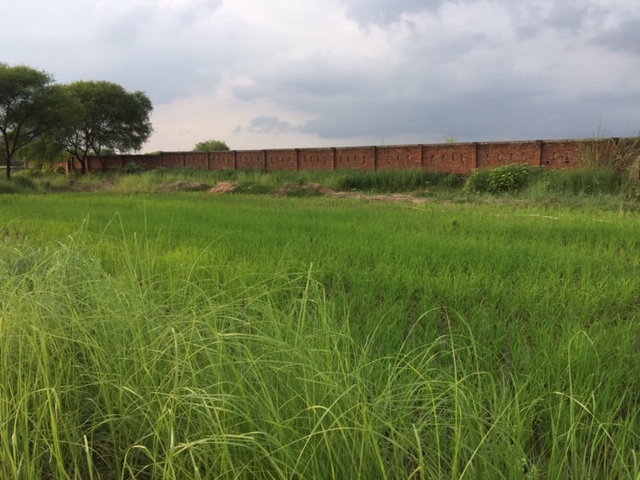
The rice survived because we ended up planting it on the highest – and only unflooded – plot. Most of the saplings survived as well, even those that were under water! Ravi, our estate manager thinks is is because most had a few leaves above the water. And the flood did not last very long, though it was extremely dramatic. We were lucky.
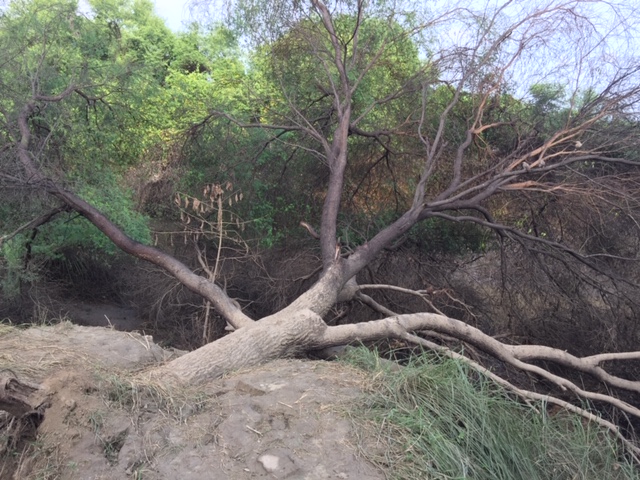
(below) The big, beautiful babul tree on the way to the nala fell over. We expected many others too, which didn’t. This one was the oldest and loveliest.
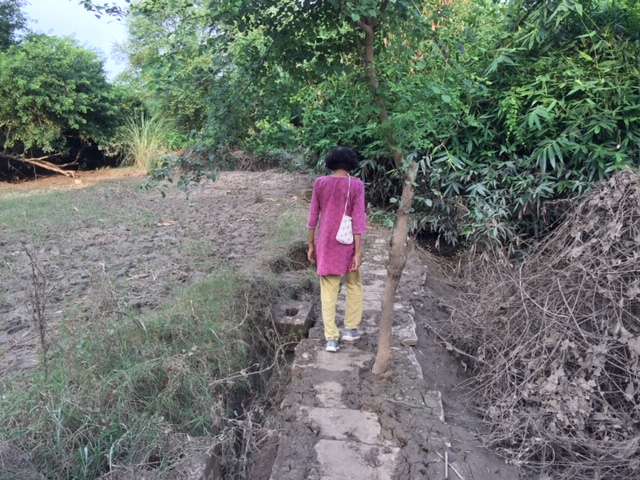
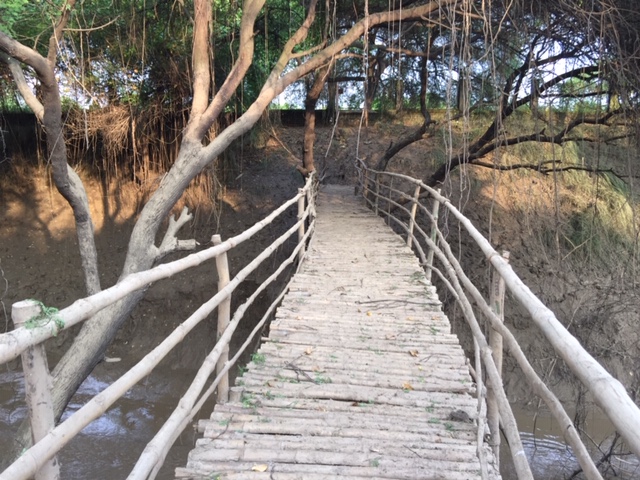
(below left) On the muddy walk to the nala, and (below right) the bridge, covered with a fine layer of mud.
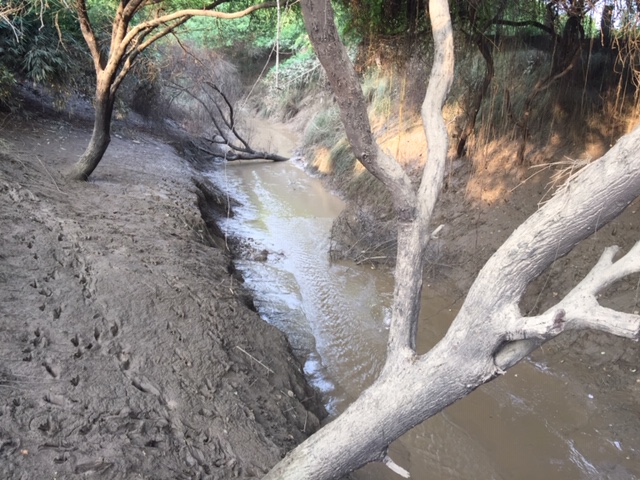
(above left) The water left behind a lot of silt, and the nala is much less deep now. Let’s see what happens after another month of rain. (above right) Our rice field.
That’s how many villages in UP are affected by the floods. News like this always seemed distant when we lived in the city. We are the last village before Mirzapur, which is the worst hit. It’s been raining everywhere (except in Banaras), and I suppose we were just too busy too notice.
The rice crops are gone, and so are the monsoon vegetables. Some farmers were on the verge of harvesting crops like karela, but now they will rot. We will lose almost all of the 500+ trees we planted.
Yesterday morning, we realized that if we didn’t leave the campus immediately, we would be stuck there. In fact, we were already almost too late. The river is now higher than it has been in the past thirty years or so. All our fields are submerged. One entire section of the village is under water, including the main roads. We drove out through at least two feet of water, holding our breath till we reached dry land again.
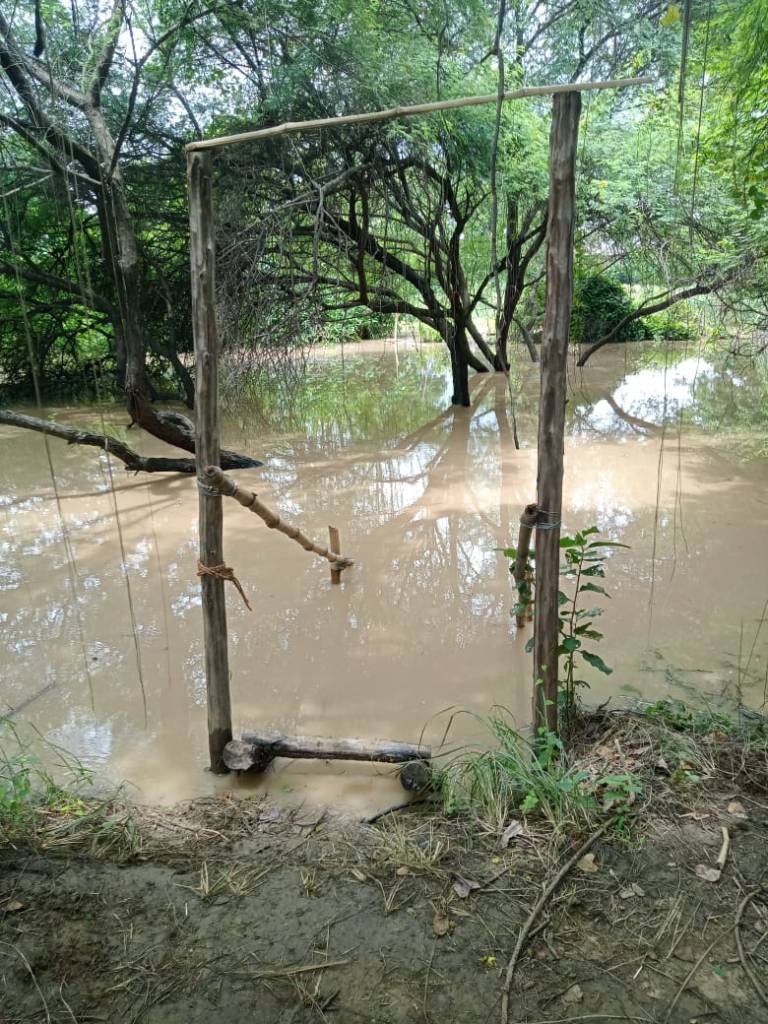
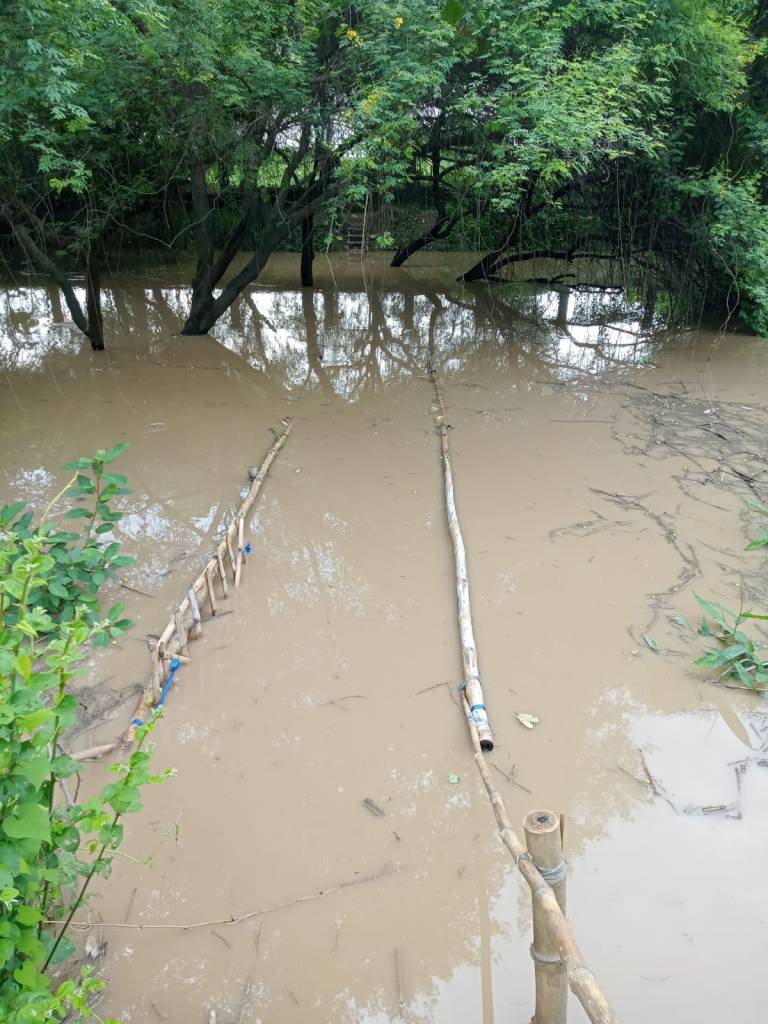
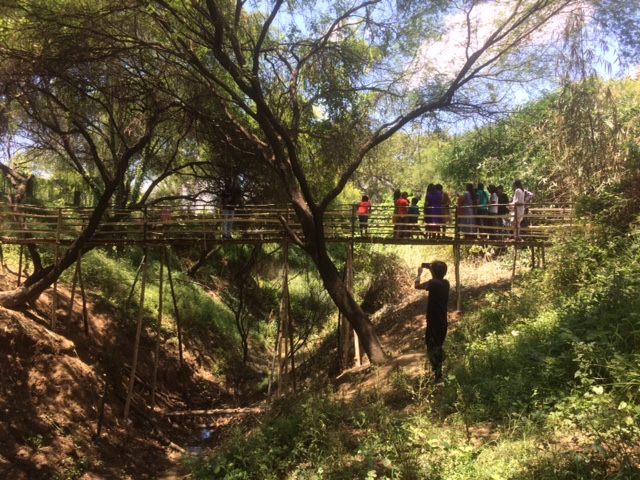
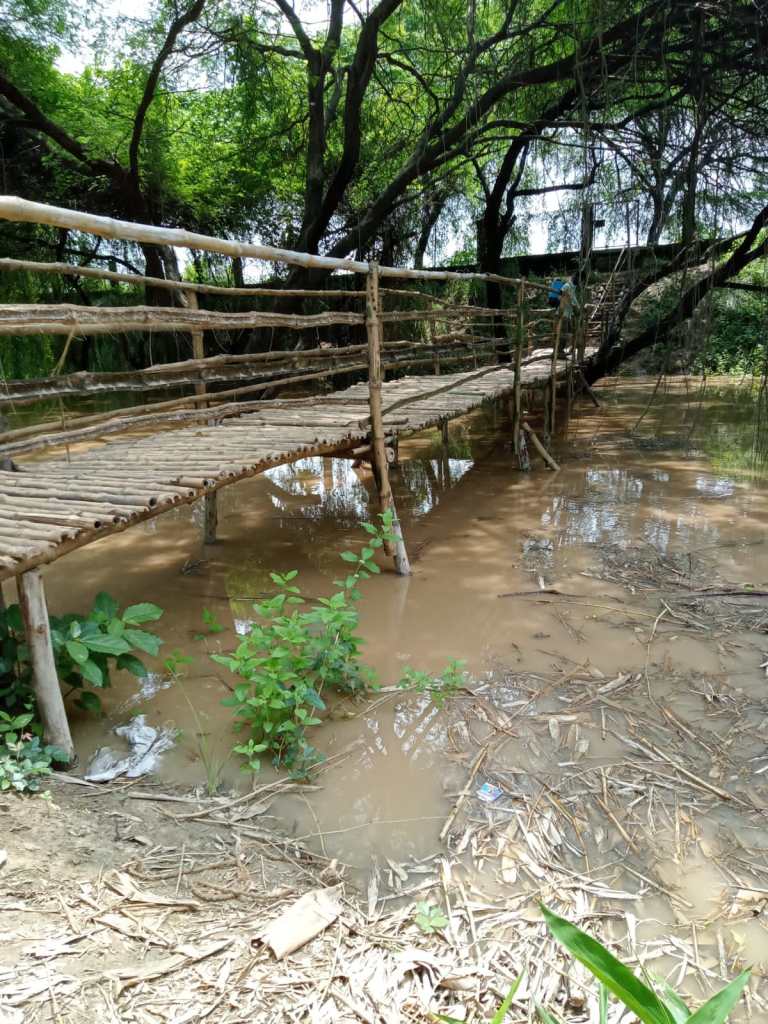
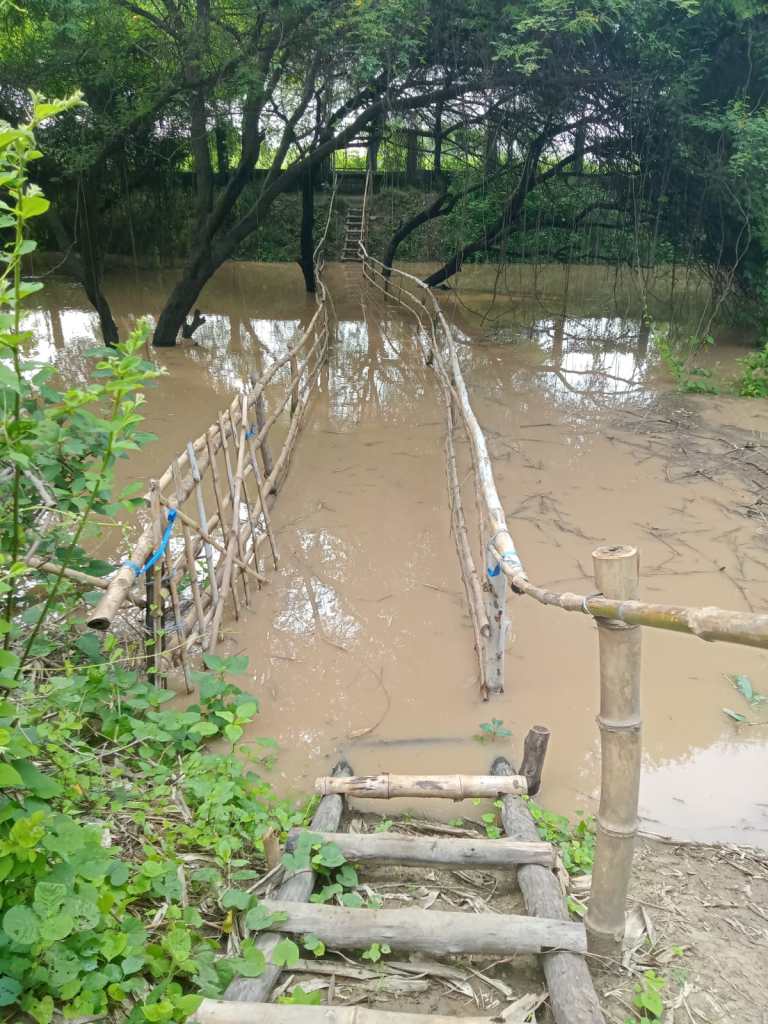
Well, we made a mistake not to make our bridge even higher. Our carpenter had planned it for about five feet higher than it is, and that seemed outrageously high to us. But, today, the nala has risen above it. If you stand on the bridge, you are knee-deep in water, and it is still rising.
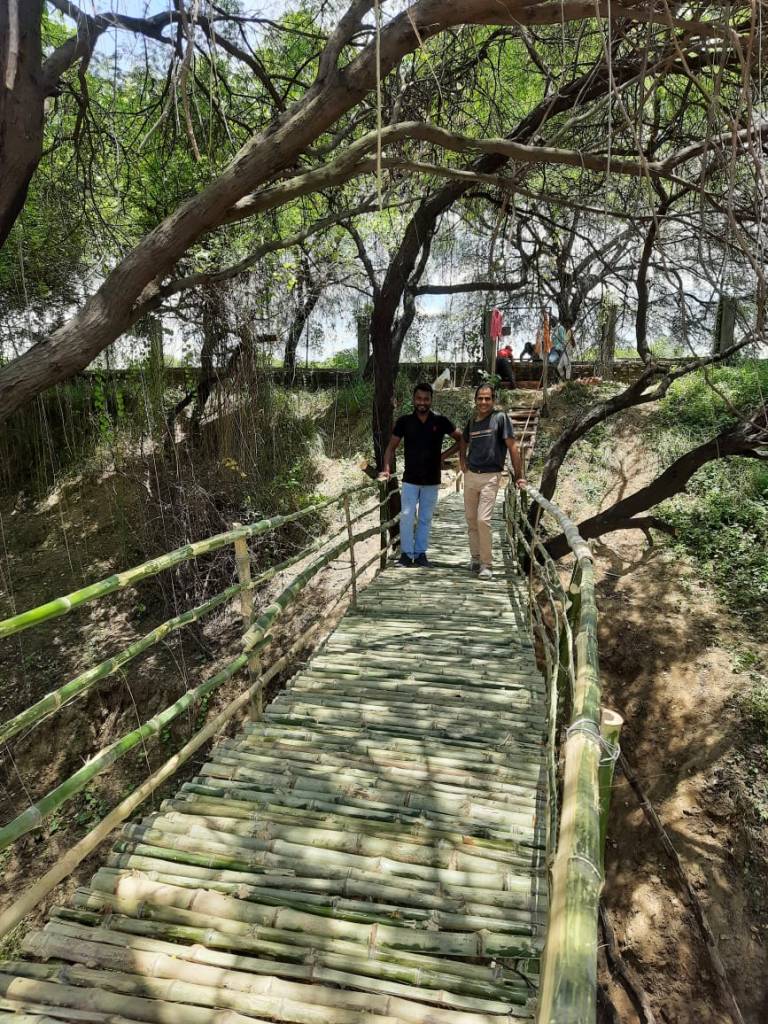
Let’s recap. Here’s the bridge when it was completed, around the 13th of July:
Here it is a few days ago, when the river began it’s rising spree, maybe on the 5rd of August:
And here we are today, August 8!!
The good news is that, ironically, it hasn’t rained in a few days. The excavator is back, working madly to finish filling the trenches. One or two more days, we pray. It’s our prayers against everyone else’s, because of the heat and humidity!
A few of our trenches are full to the brim of water despite the dry spell. The water isn’t soaking in at all. We are trying to figure out what kind of soil (rock?!) we have over there, and what to do about it.
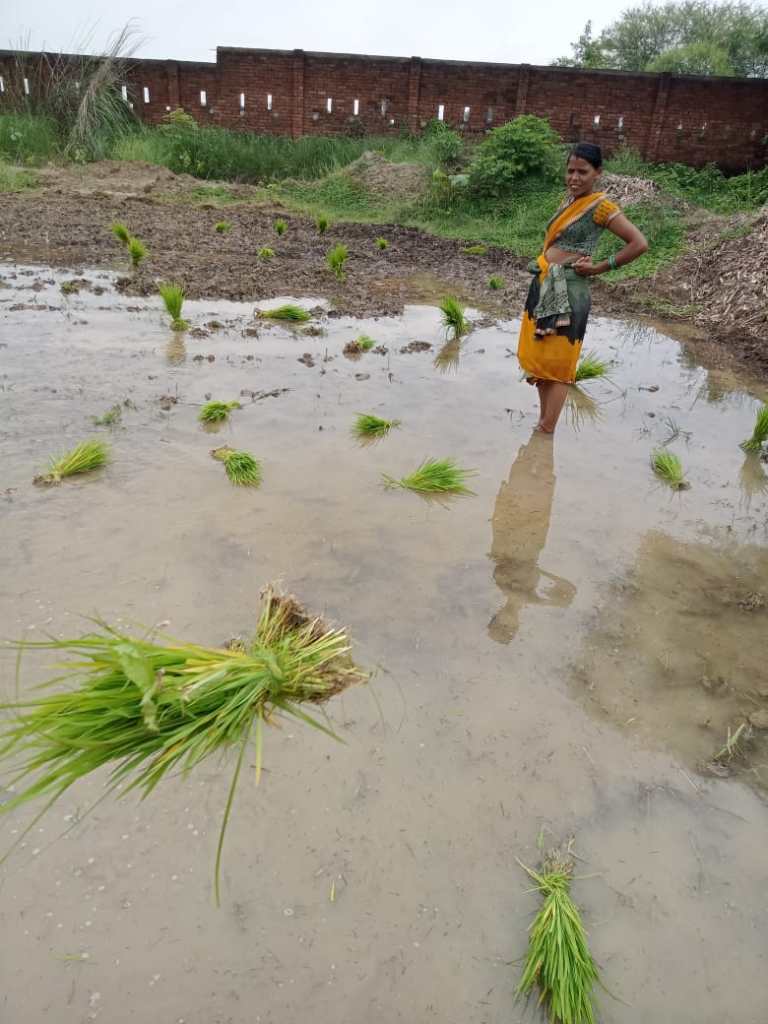
The rice is planted and the veggies are growing well. Here is Chinta, about to start transplanting rice in a section of the field (right).
We still have to plant the lentils and more vegetables. And trees, once the trenches are filled.
Our route to the land is now closed. We rejoiced about the bridge too soon, it seems. Let’s see what happens. It looks like it might be a flood year for sure…
The past days of rain have turned the nala into a gushing stream. There is even a ‘waterfall’ near our building, so that we hear the sound of rushing water all day and night.
Here’s a post from Prof. Nita Kumar’s blog about the inauguration of our bridge – a controversial affair!
“The nala, that is, the rivulet of run-off village water, smiled benignly as we propitiated it. As the Master of Ceremonies, I intoned, “Please be kind to us, O nala! May your plants and trees, water creatures and all living things, ever be happy! We are part of you. Look after us and we will look after you!” “
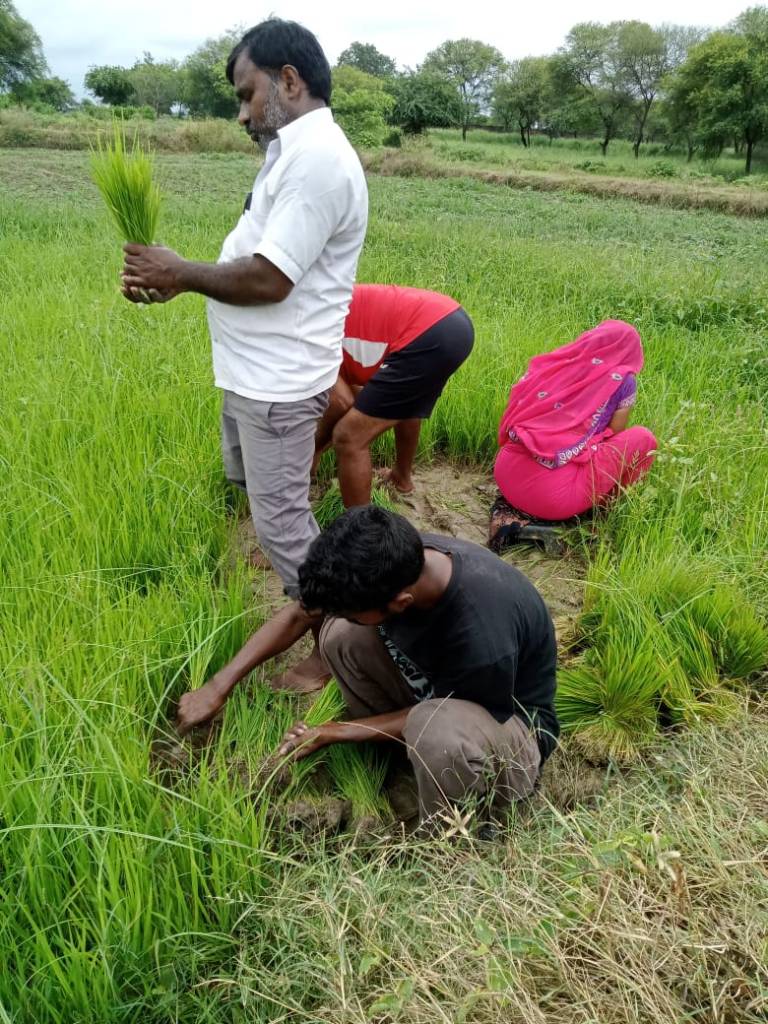
We have started the ‘ropai’: transferring the rice seedlings from the nursery bed to the rice field.
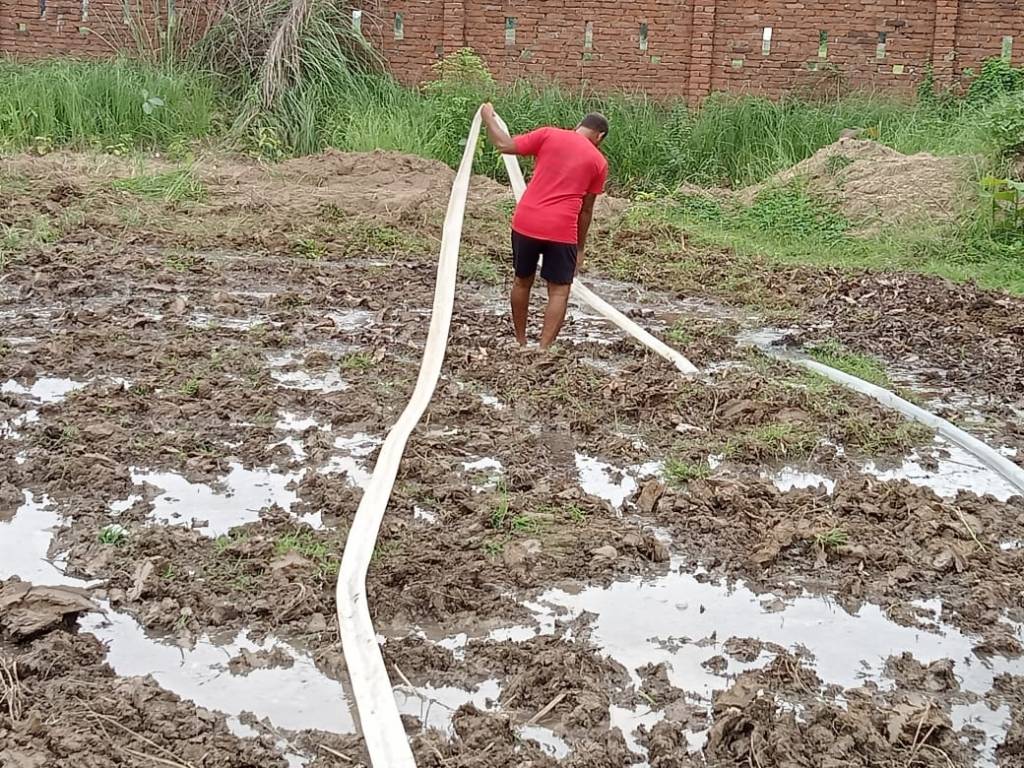
The first field we prepared didn’t work, because the soil was too sandy and the water kept draining out. RIce needs standing water. So, we got another field ready: cutting the grass and ploughing, and finally began the transplanting today.
Most of the villagers have a head-start of a few days, but since it is our first time, we are forgiving of ourselves…
It’s been a couple of weeks since our last update, because of some unexpected events. But we are back. We’ve had over ten days of sunshine, which meant extremely hot, humid, unpleasant weather, but also that we have been busy. First of all, we decided that we need to get across the nala, rain or shine.
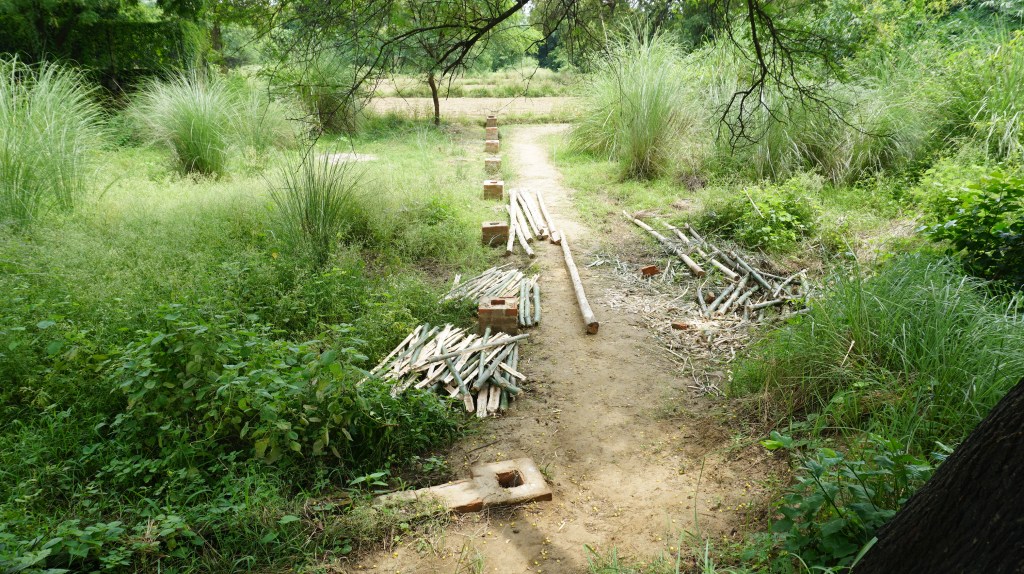
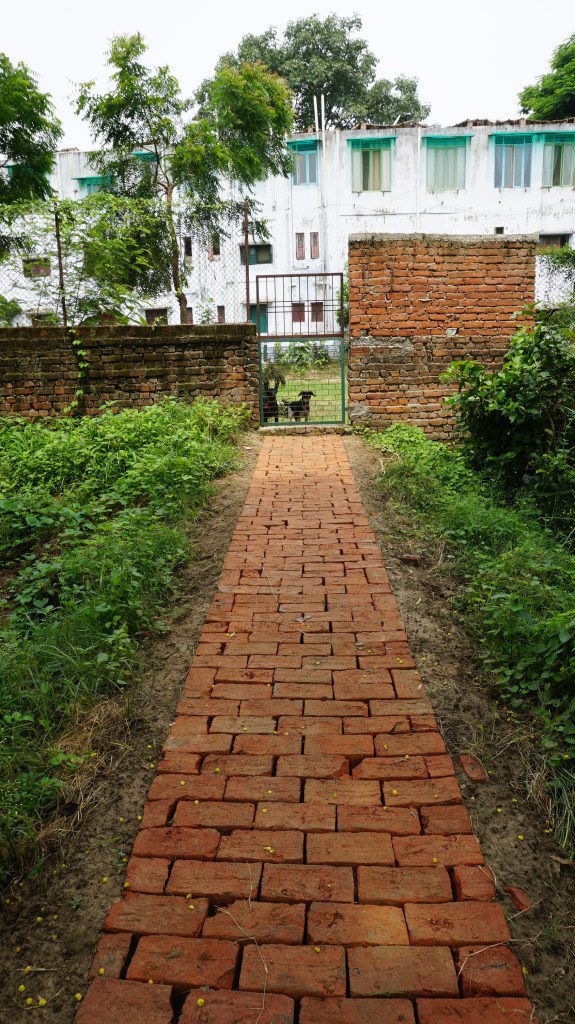
We started by laying a brick/stone path up till the nala.
(right) The dogs want to join us in everything.
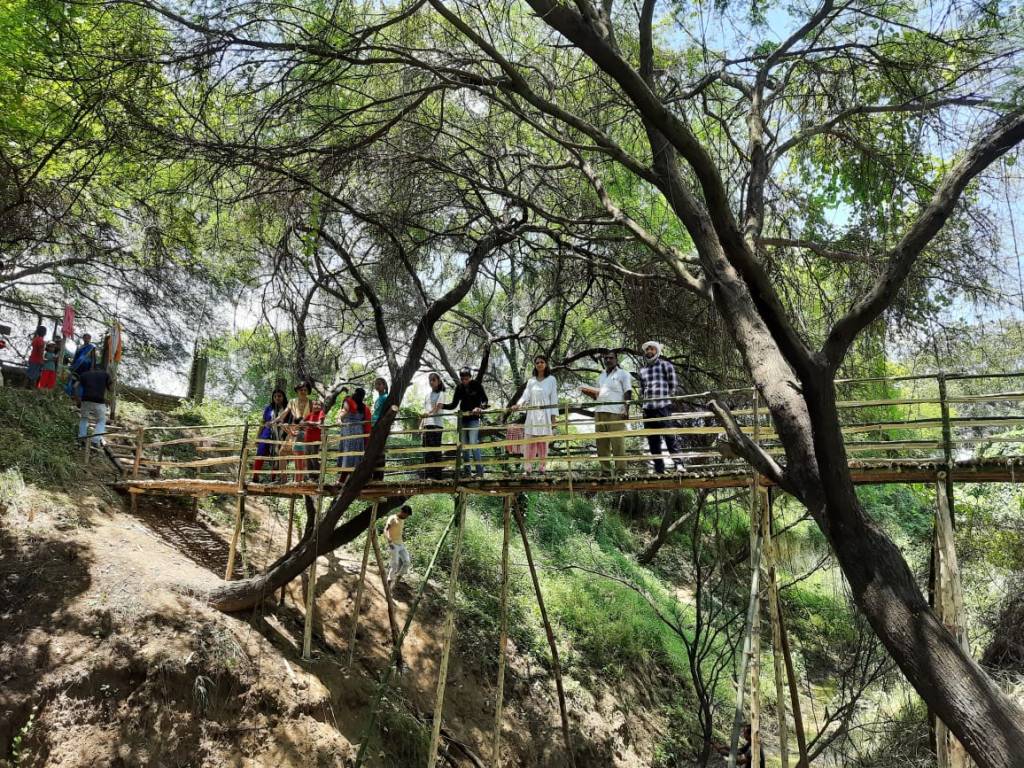
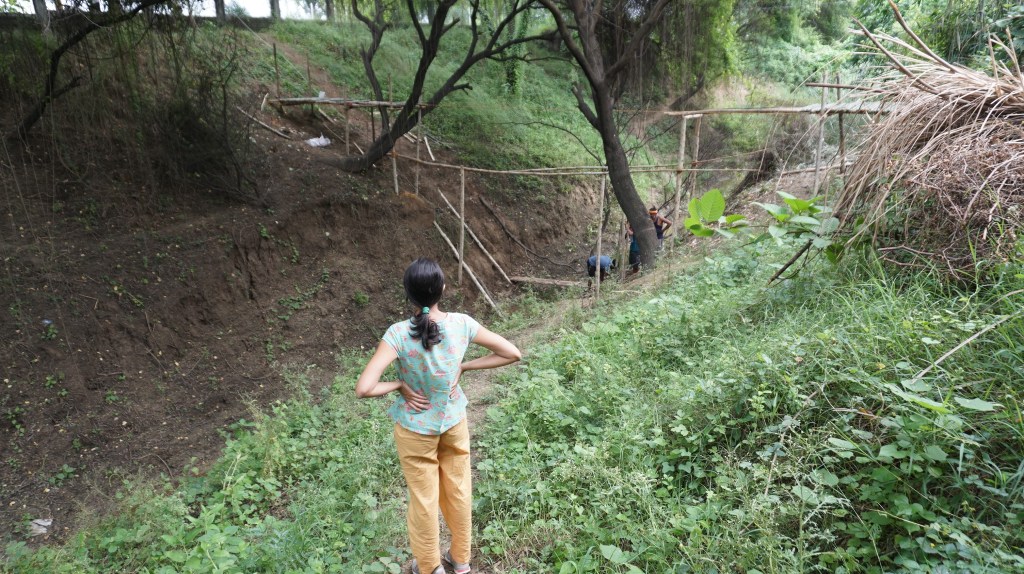
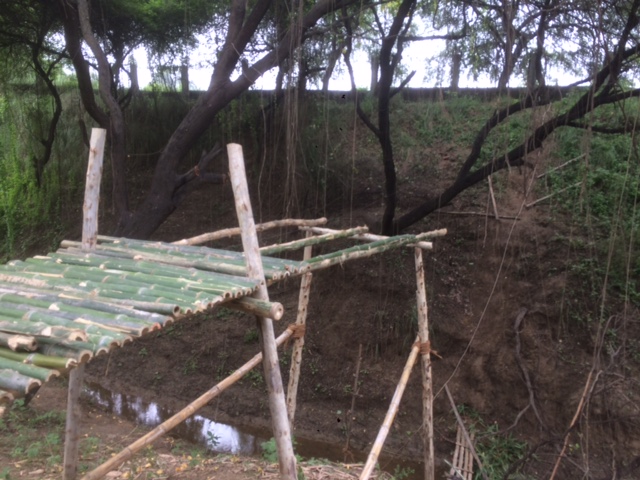
Next, we are building a bamboo bridge (below).
Although eventually we want a permanent structure, that is a larger endeavour in terms of cost and time. We need to be able to cross the nala now. So, we’ve called back our dear (eccentric) Sheetal dada, master of bamboo, to build a bridge for us.
It looks outrageously high and not all that safe at the moment, but we are hopeful.
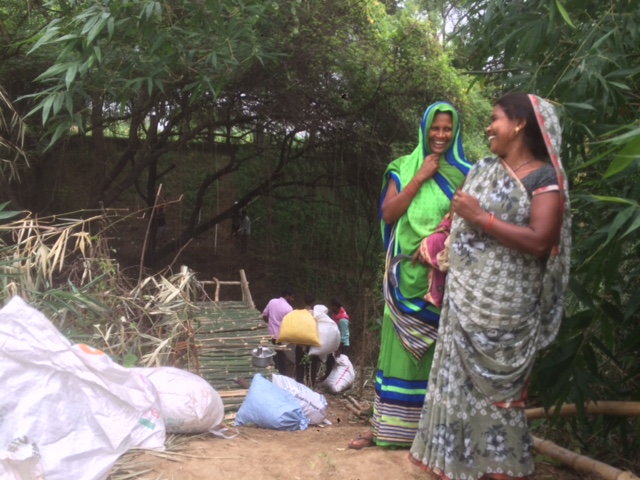
(left) Curious visitors from the village come to take a look.
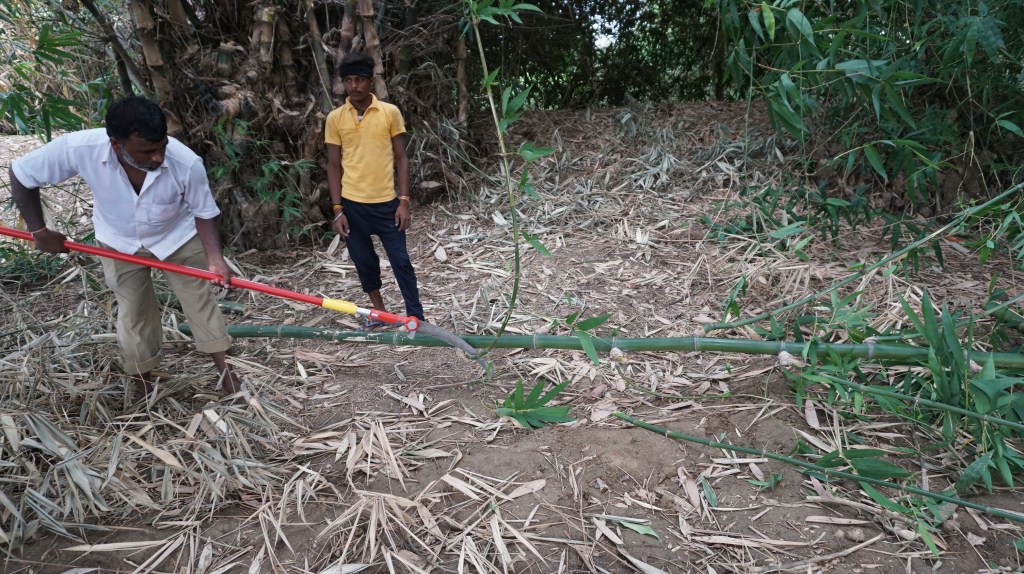
We decided to use the opportunity of bridge building to tackle our four bamboo clumps. They are old and have completely in-grown because of neglect. We are cutting the older, fully grown bamboo stalks for the bridge, and will use the smaller branches and leaves for mulching and to tie next to the plants to keep them straight.
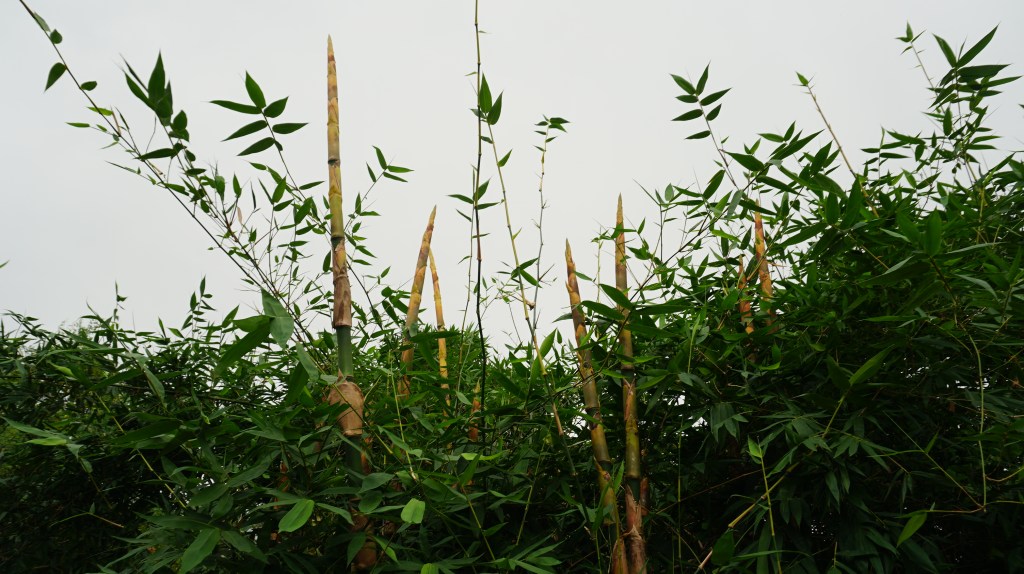
The magical moment in all this is to cut away enough of the foliage to reveal the lovely (and enormous) baby bamboo shoots.
Our people are very protective of them, cutting away the older stalks very carefully so as not to damage the young ones.
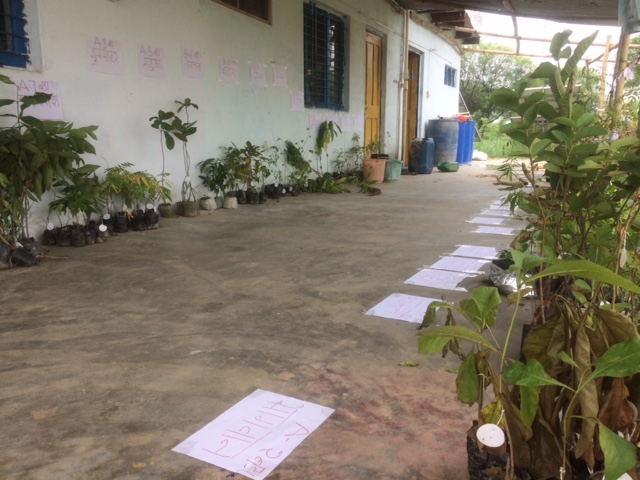
The JCB excavator has been back and is mixing the soil for more pits. The trenches that were filled before the rains are doing very well – the soil is still moist and there are lots of earthworms. We have found a plant nursery we like in Ramnagar (a town across the river), and bought 250 new trees. All those trees have now been planted by our heroic team of Sunil and Sriram, under Gaurav’s guidance. Next batch of 250 more to be ordered in a day or two. We decided that this is much simpler than ordering from Kolkata, and not too much more expensive. We’ve also been very pleased to receive some gifts of plants from garden-lovers – thank you!
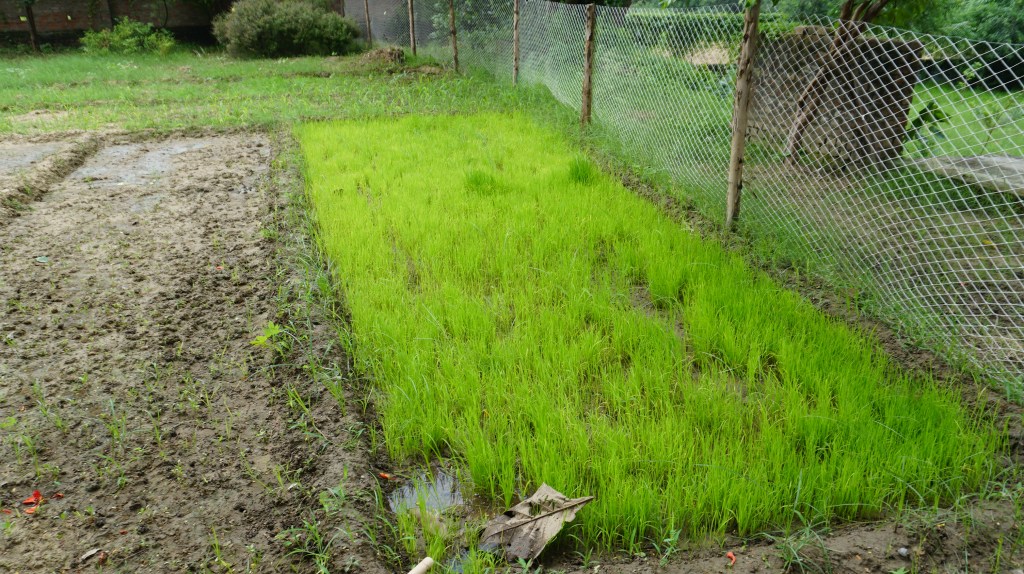
The rice nursery is doing well. We’re getting the field ready to transplant in about fifteen days.
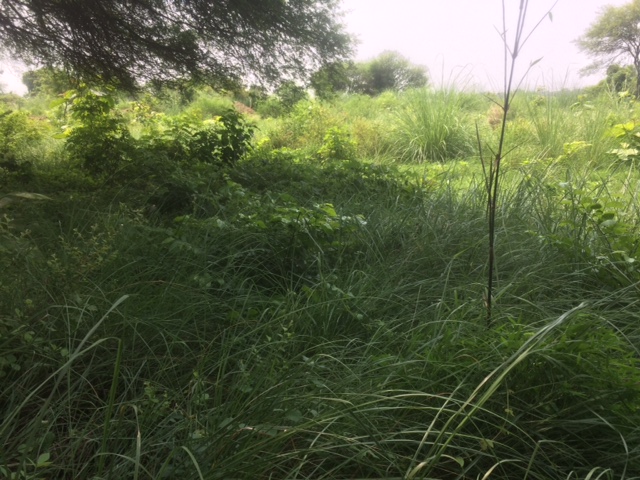
And yes, almost every day there is a snake sighting. We try to be safe, but we definitely should learn more about them. The land is wilder than ever, after the last few weeks of rain. No sign of all the hours of grass and shrub clearing we did. And the monsoons are still to come. It’s wild and wonderful.
 gangavan.org