Making jeevamrit: first batch

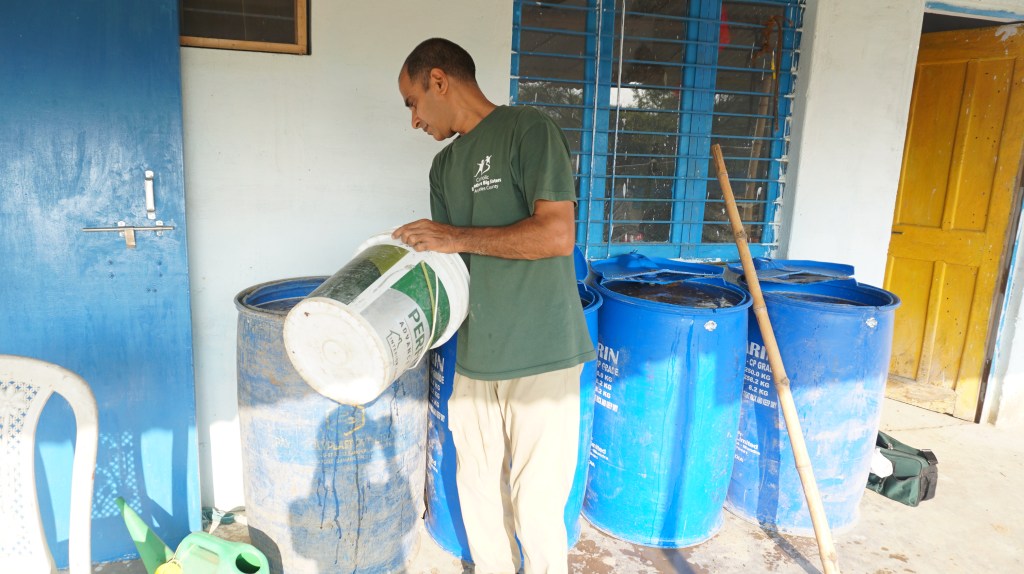
One of the organic fertilizers we’re going to be using is jeevamrit: a mix of cow urine, dung, gram flour, jaggery, and water. Jeevamrit is a liquid microbial culture. We’ll treat the soil from all our trenches and pits with it, and later spray it on the topsoil as well.
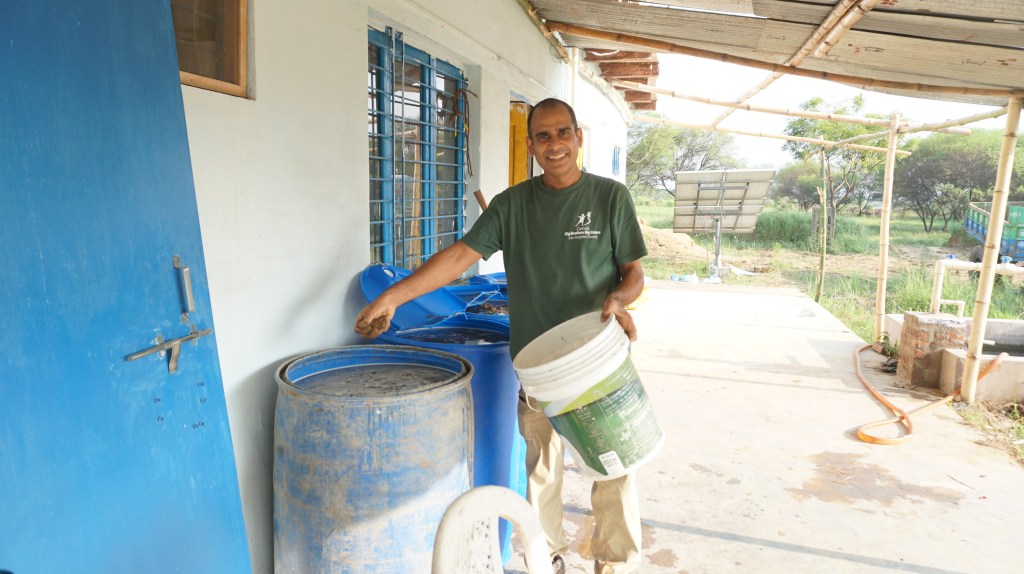
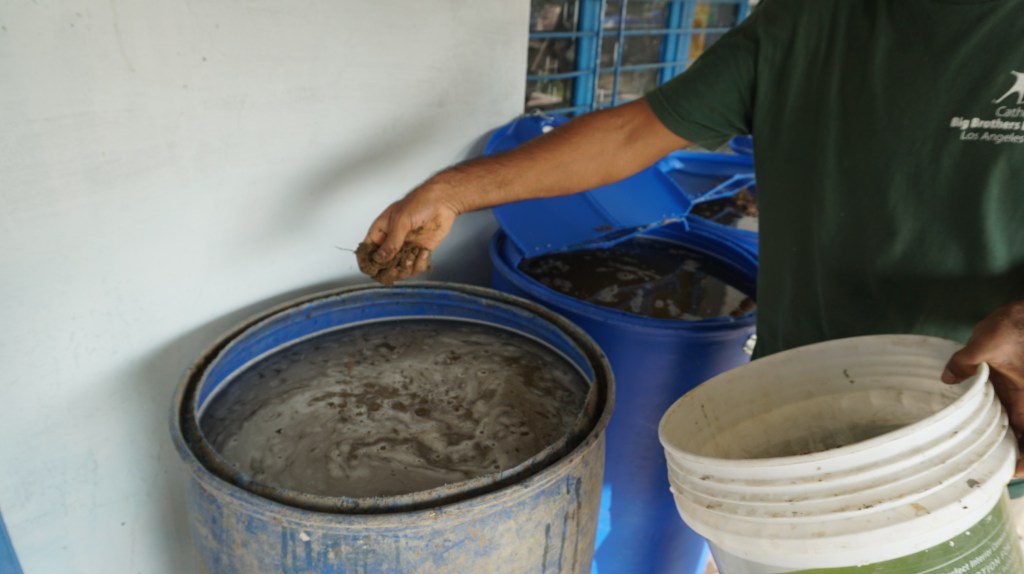
(above) Gaurav measuring and mixing. We are doing a batch of five 250 litre drums, which will take four days to ferment, and then we’ll use them up and do another batch.
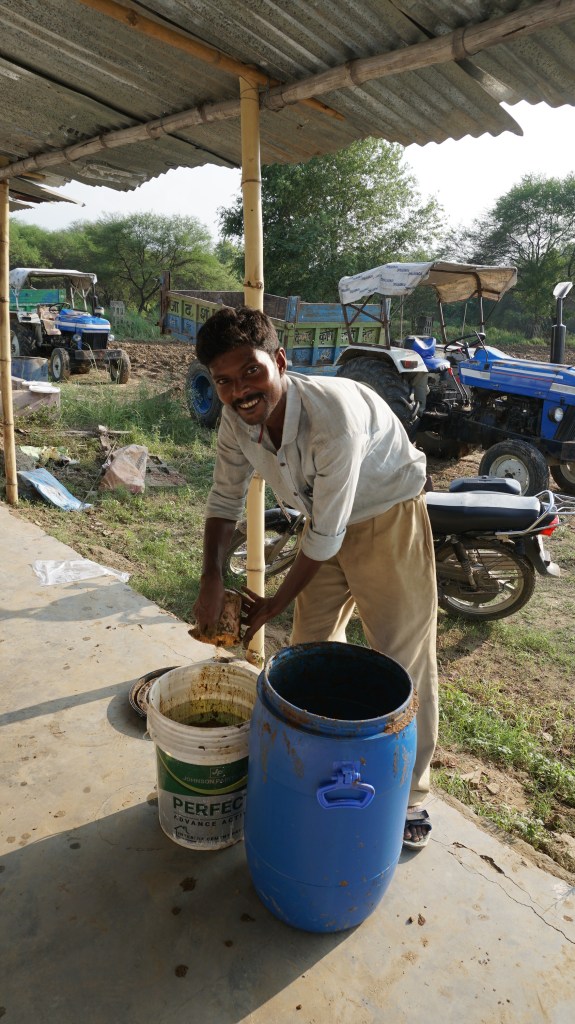
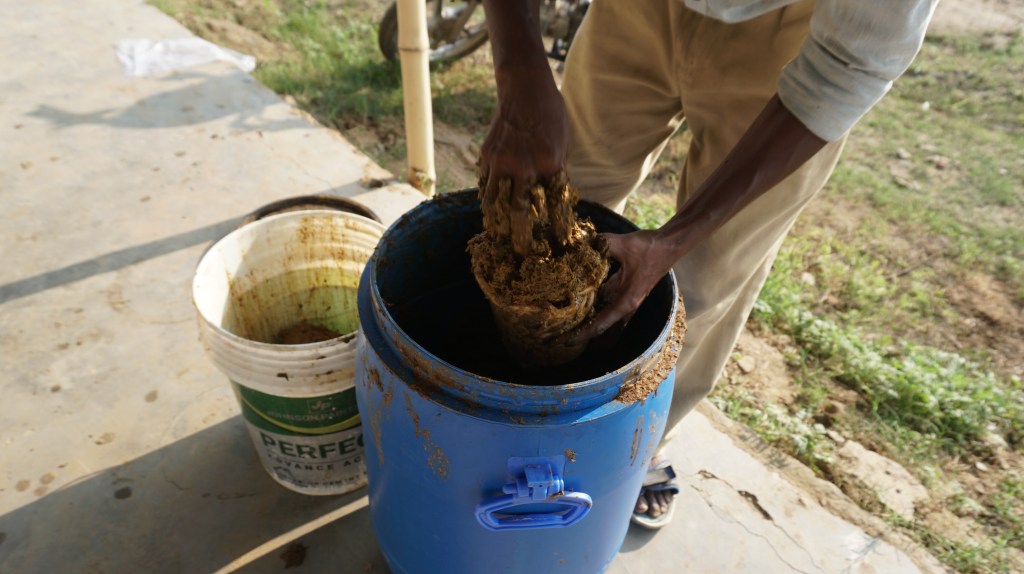
(left) Sunil taking out the cowdung. The dry manure will use aged and dried cowdung, but this uses fresh cowdung.
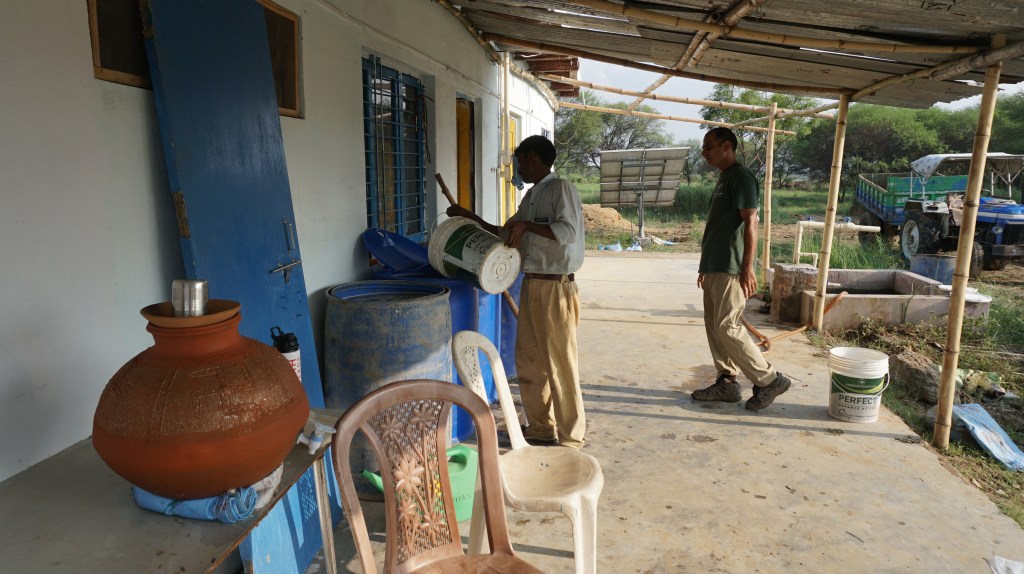
Other activities of the day

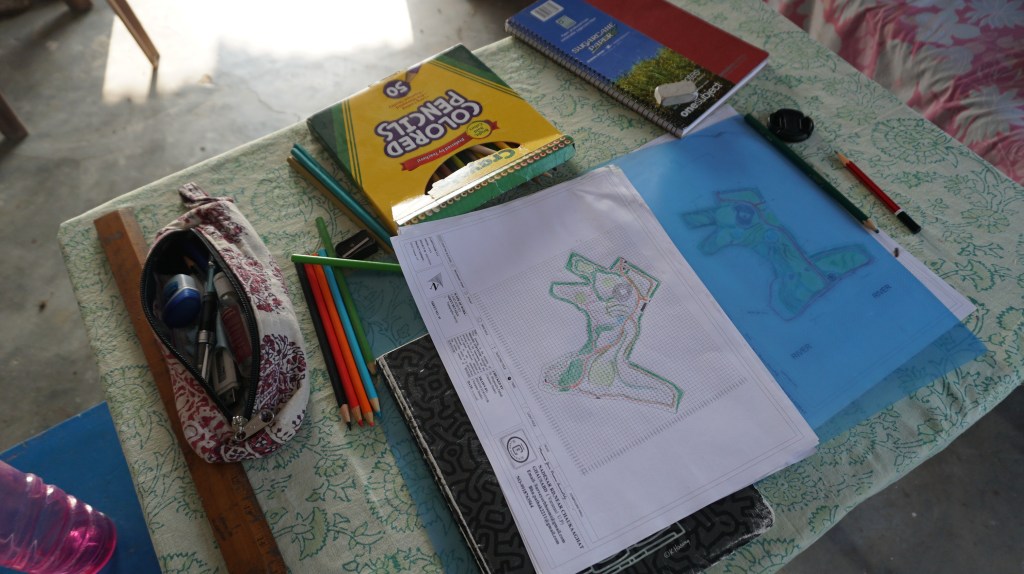
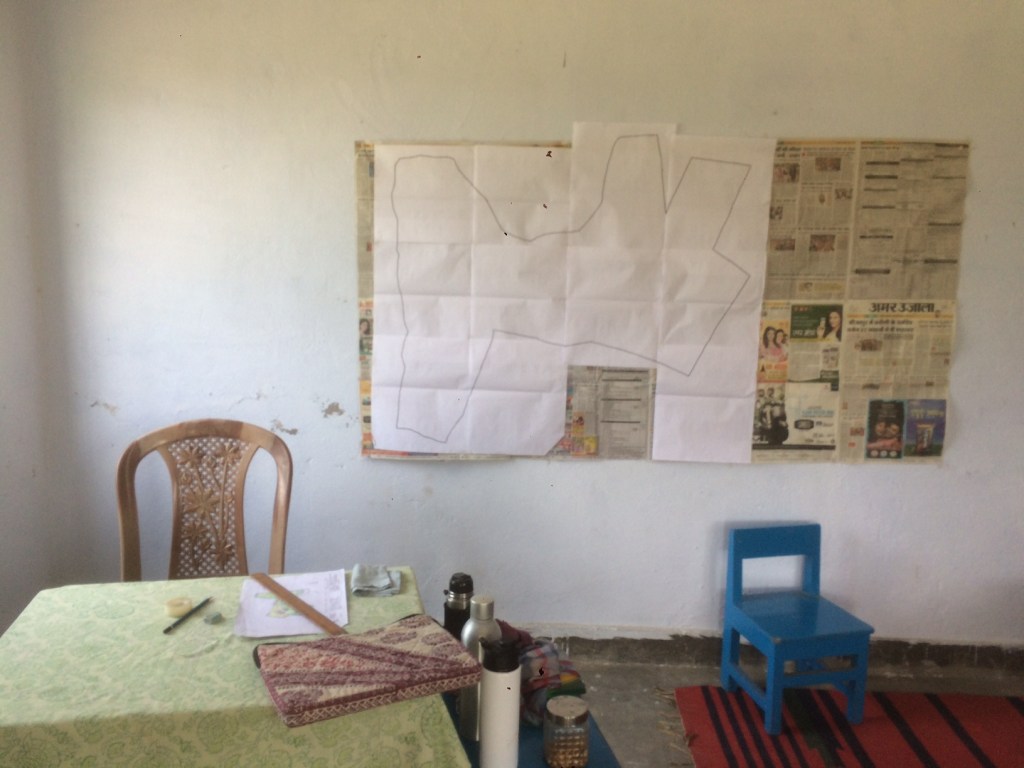
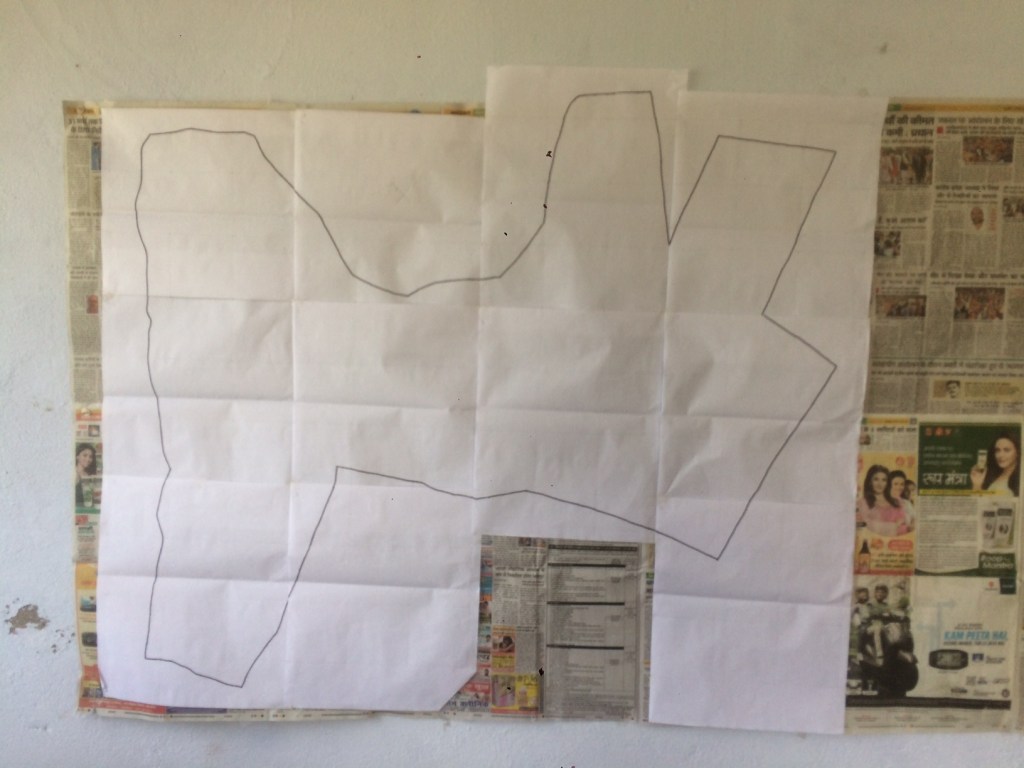
Making numerous draft site plans. Once we have finalized one, I will transfer it to the large-scale one on the wall.
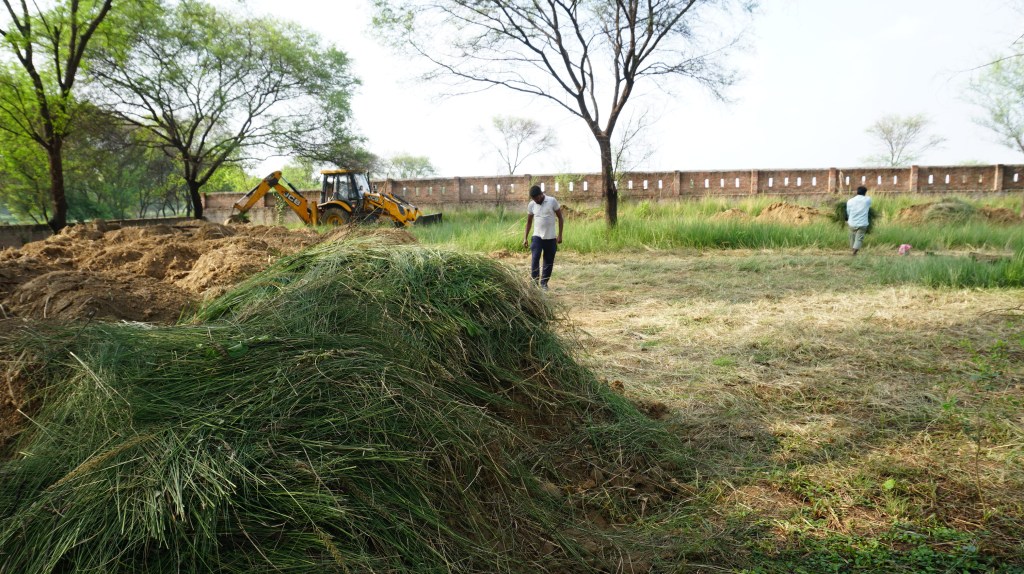
Cutting kasha. We’ll leave it to dry and then use it in the trenches as one of our perforating materials.
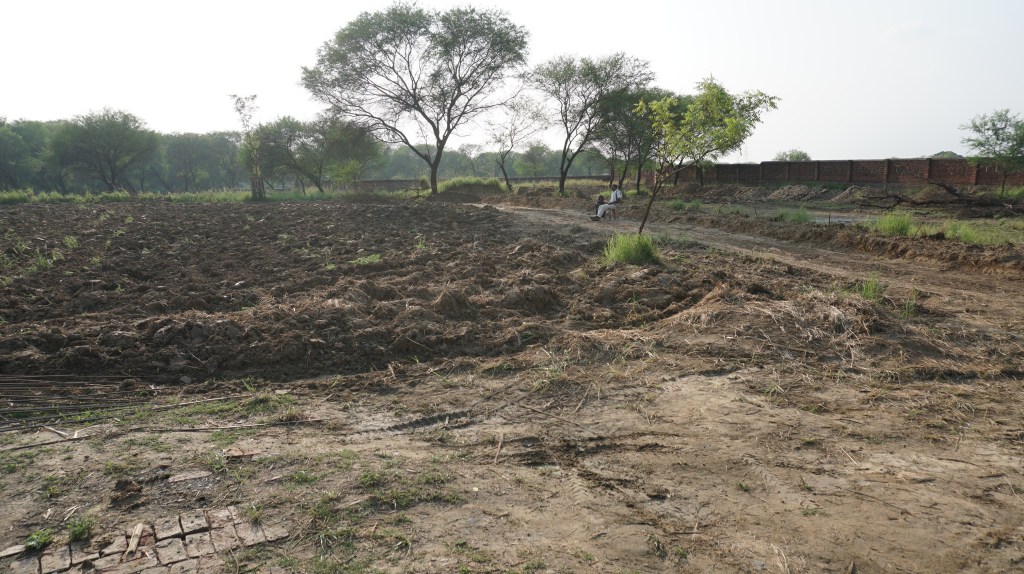
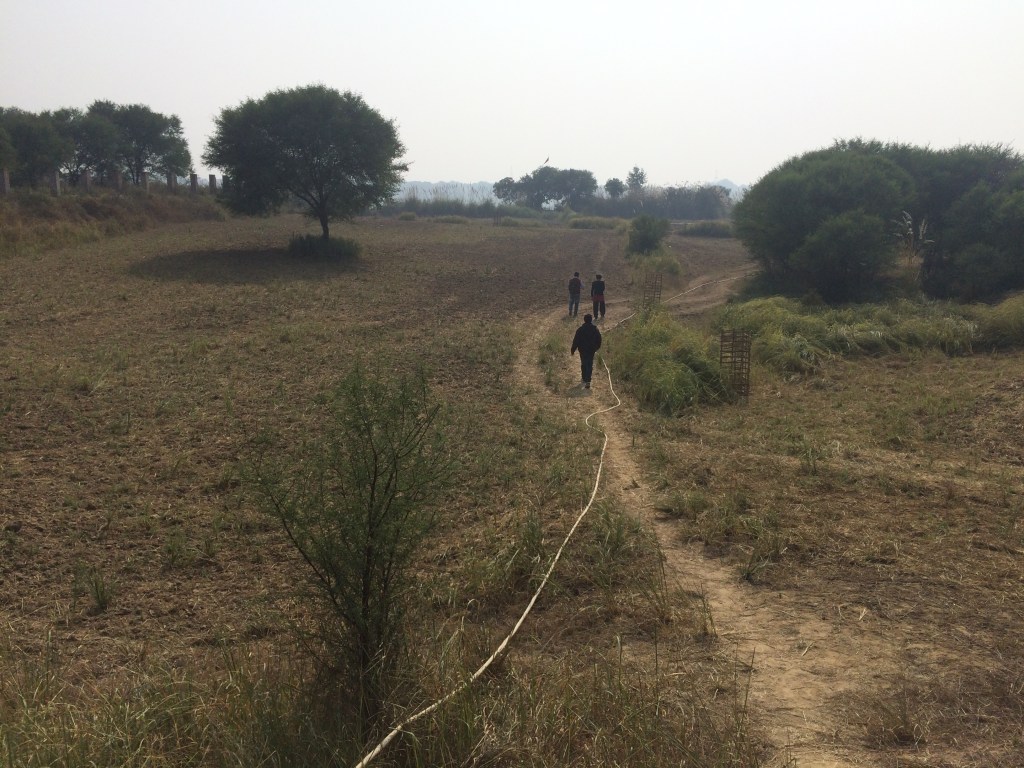
Our excavator driver and supervisor taking a break on the newly carved out path.
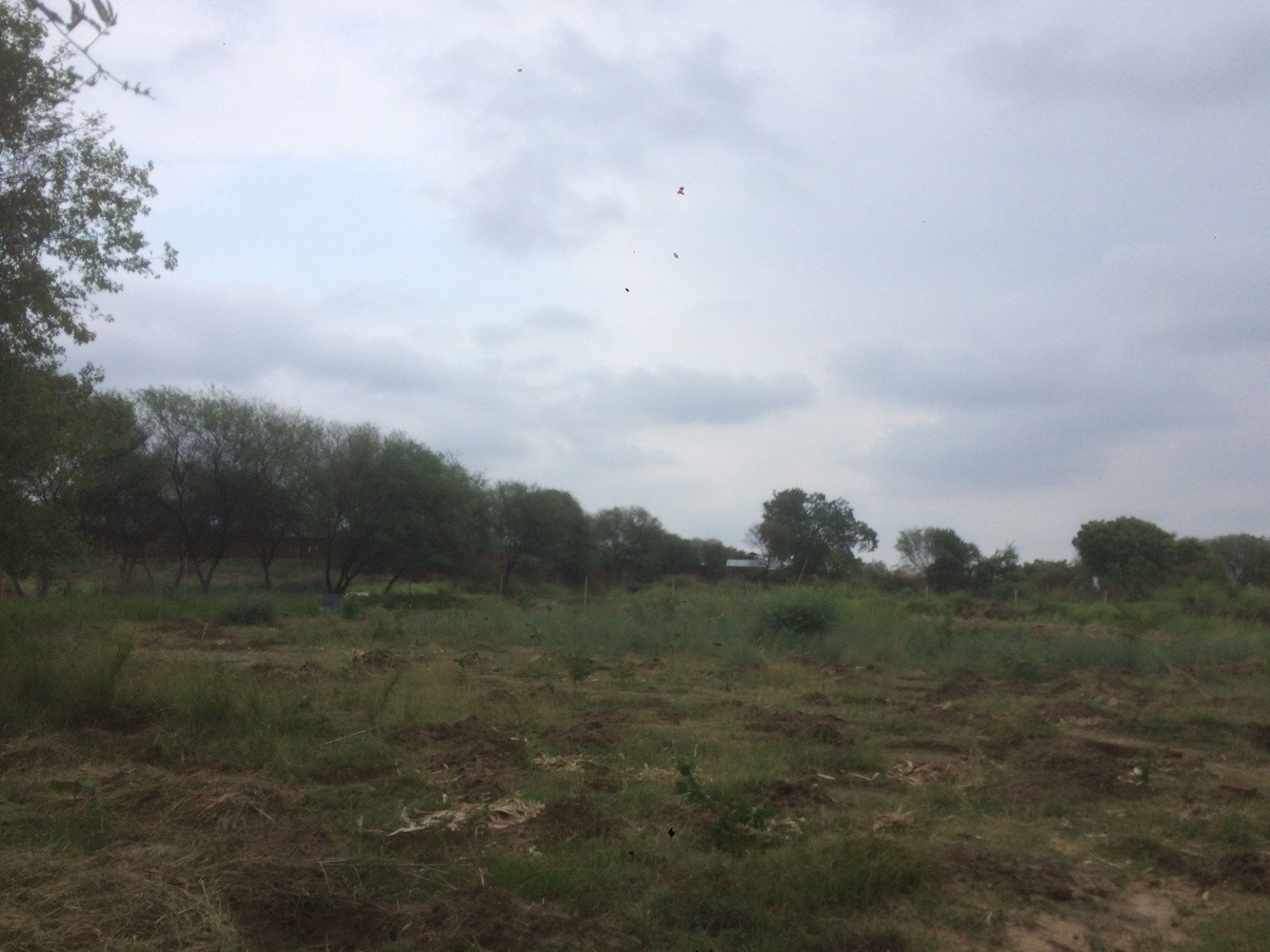
Cloudy with a chance of…

It’s still cool and cloudy, but the rain has stopped. It’s supposed to be sunny from tomorrow onwards, and then it will get very hot. I think we will finally have our summer. We have almost a month till we plant, so some good hot and dry weather will be great, though less pleasant to work in.

Yesterday, no one could got to Chhitauni, let alone work there. Instead, we visited a nursery to check out how much trees cost. A lot! We are planning instead to get a large shipment from Kolkata, which is where many of these nurseries get them as well. We’re in touch with Mondal nursery in Salt Lake, and they sound decent. The prices are much better as well.

We can’t get all our trees there, though, because that would break our budget completely. We have decided to get 2000 trees from them – a mix of fruit and flowering trees and the chosen non-native ones we want to put in as well. The rest of the trees will come from here: a combination of our own saplings, germinated from seeds from our existing trees, gifts, and whatever we can wrangle from the Forest Department.

Today, most of our staff are cutting the kasha grass that grows over most of our Chhitauni land. Once it dries, it will be a great perforating material to add to the trenches. We are also collecting the second batch cow urine to use in the organic fertilizer we are making.

Our updated month-long calendar, starting from tomorrow, May 30, includes the dates for making fertilizer, getting together materials, finishing the trenches and retaining wall, planning rain-water harvesting cisterns and irrigation pipelines, and ordering plants. Planting day one is tentatively scheduled for 25th June!

Another storm approaches

This time, as an after-effect of the cyclone Yaas in West Bengal, the forecast says rain for the next few days. We’ve started dumping mud near the ‘dam’, which is the main place from which we lose water and soil, and where we have been building the retaining wall. We have a few days work left on the wall, so we don’t want a sudden onrush of water to damage it.

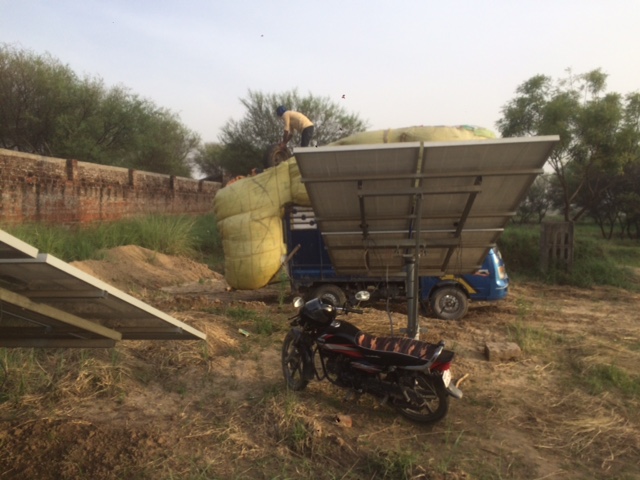
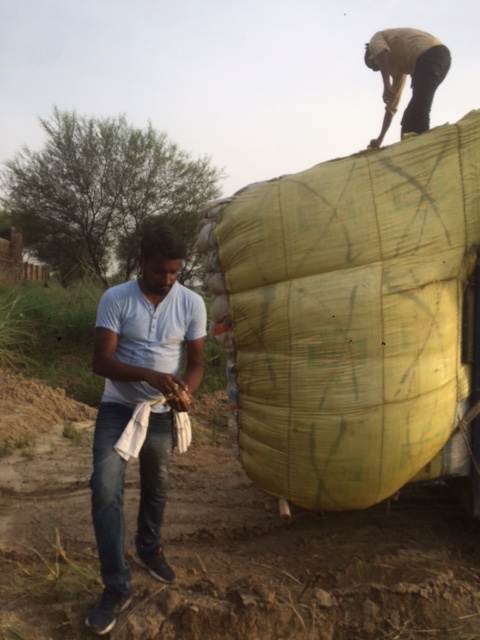
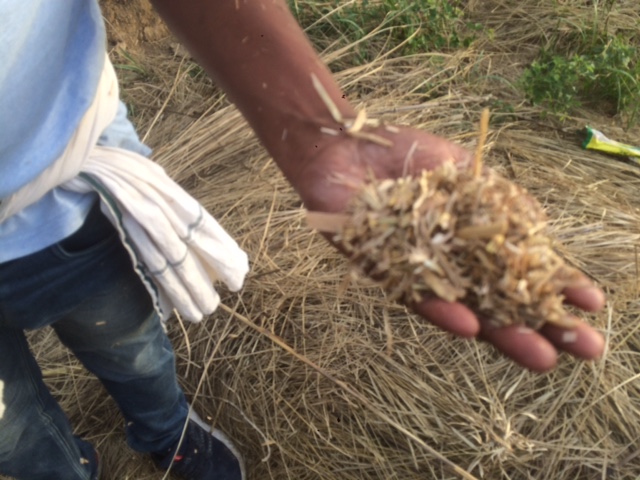
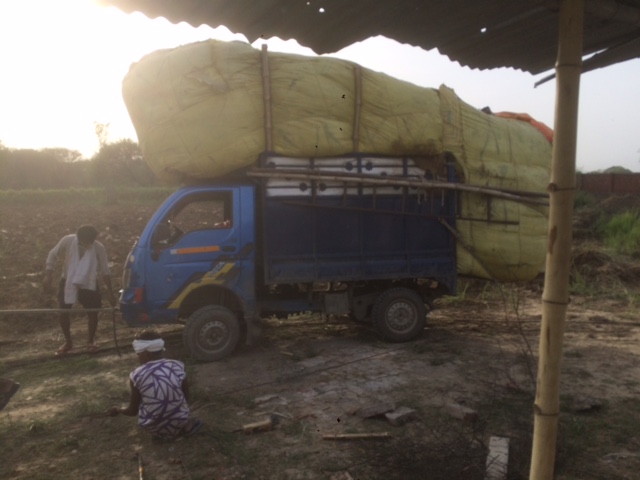
In other news, we have acquired 25 quintals of rice straw to use as perforating material. It was pretty expensive, because we got late in realising exactly what we needed, and most chaff and straw from the surrounding villages has already been used up by the farmers themselves.

We have always looked with disdain at the heavily loaded vehicles carrying hay, but this time, we were the ones who had ordered it! Unfortunately, the vehicle that was carrying it was most unsuitable, and our tractor had to drag it through the fields.

(left) The miraculous straw.

After the rain…

A few days ago, the cyclone Tauktae in Maharasthra brought a night and day of rain to us, accompanied by the loudest thunder I have ever heard in my life. We enjoyed the few days of unseasonal breezy coolness in the middle of May, usually the hottest and driest month of the year. The other result, though, was of a mini-vacation, as the excavators and tractors stood still in the mud, and we ourselves could barely cross the canal that separates our land.

Things are back to normal now – hot, sunny, dry – the ideal work conditions…?!

Where we are located

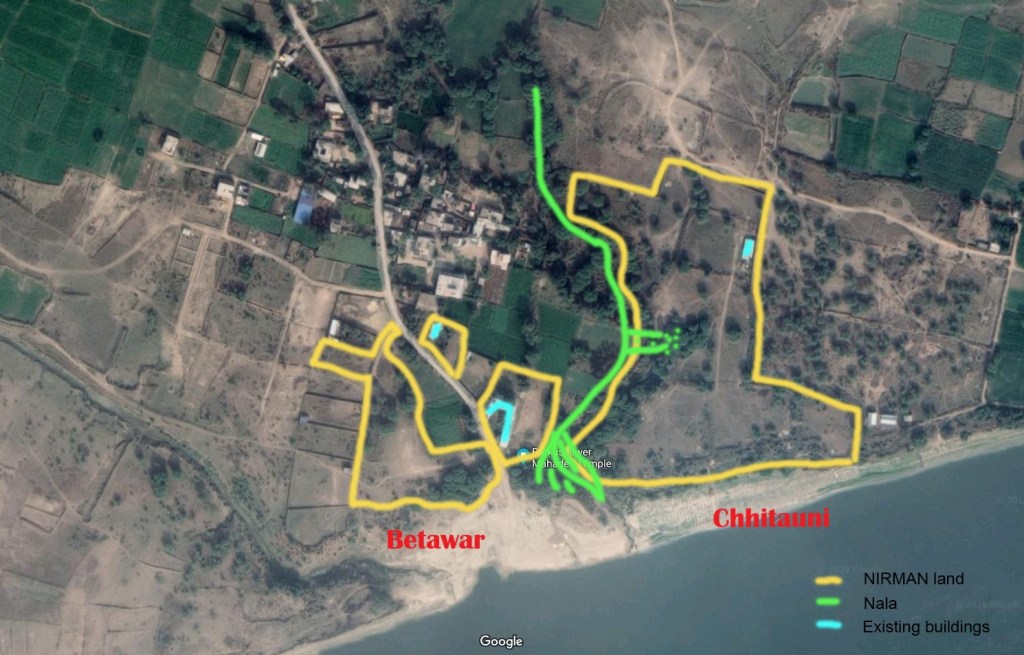
We own land in two different villages, Betawar and Chhitauni, separated by a nala (natural canal), that flows to our land from many villages. We are right on the banks of the river on the northern side. The western side of our Chhitauni land borders the nala. Beyond the nala is Betawar village and our remaining land, on which we have our existing buildings.

Our Betawar land totals about 2.5 acres. There we have road and electric access, some buildings, including the school and our own apartments, and our kitchen garden.

Our land in Chhitauni is close to 7 acres, without any access to a paved road or electric connection. We have an underground connection to our Betawar electric meter for lights and fan, and a solar panel for our bore well. We have a set of rooms – an office suite with bathroom and kitchenette, a store room, and a guard’s room.

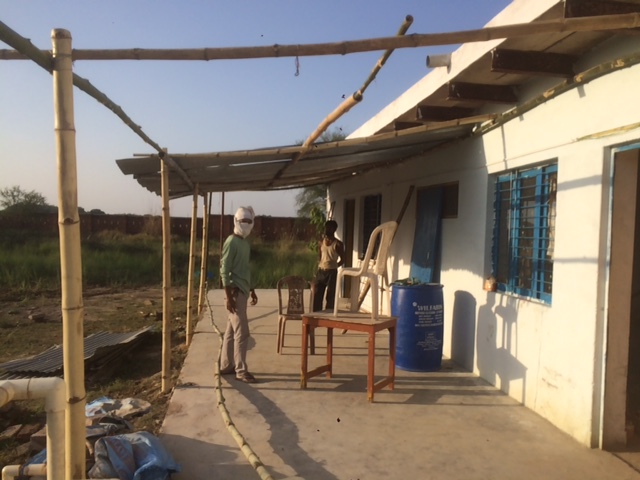
Akash and Sunil putting up a temporary tin-shade over the office verandah

The Nala

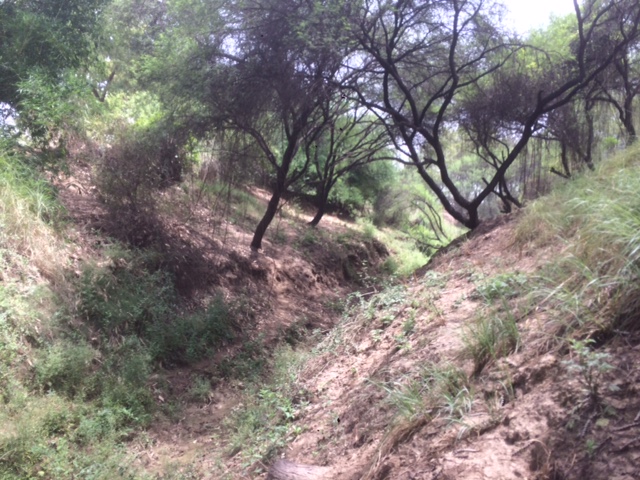
It’s beautiful. Trees and shade, with a wild feel. Especially lovely when dry and we can explore it. It starts flowing with water with even a few hours of heavy rain. Late in the monsoon, it gets filled up with 20+ feet of water, and is totally unapproachable.

(right) Getting ready to cross.

(left) During the dry months.

Shaping the land

(below) What people around us like: a levelled, neatly ploughed field.

(on the right) What we like: the natural slopes of the land.

The challenge: Maintaining the slope but managing the water so that it does not carry the soil away as it flows. We want to plant on the slopes and create some streams/water channels and ponds.

Who we learn from

Akira Miyawaki: for intensive planting mainly around our boundary and places where our land is threatened by erosion

Masanobu Fukuoka, Subhash Palekar: Natural farming techniques

Robert Hart, Martin Crawford, Geoff Lawton: Forest gardens and food forests

Others: There are so many inspiring individuals around India and the world who we read and listen to, and hope to connect with personally.

Maybe we are being greedy! But there is so much to learn at this point. We are looking forward to trying out different methods and seeing what happens in each season and over the months.

First steps

Digging, tool-building, organising

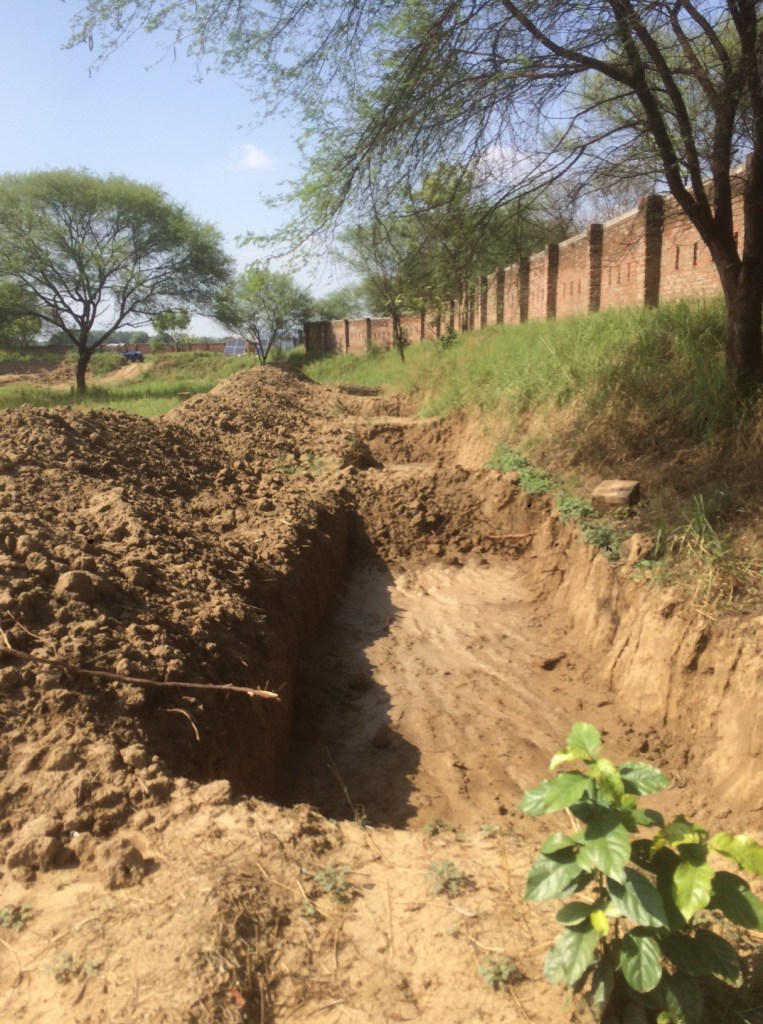
The excavator is busy making trenches along the entire boundary, in order to plant intensively, Miyawaki-style. The trenches are 10 x 20 ft, and each will contain about 75 trees of four different sizes. We’re in the process of making lists of trees and contacting nurseries to order the saplings for next month. Once the monsoons begin towards the second half of June, we’ll plant.

Before we can plant, there is lots to be done. We have to get together manure, perforating material, and water retaining materials to mix with the soil before putting it back in. We are using mainly cow dung, grass, wheat stalks, and leaves, because those are most easily available now. We have started composting, but won’t have enough compost in time.

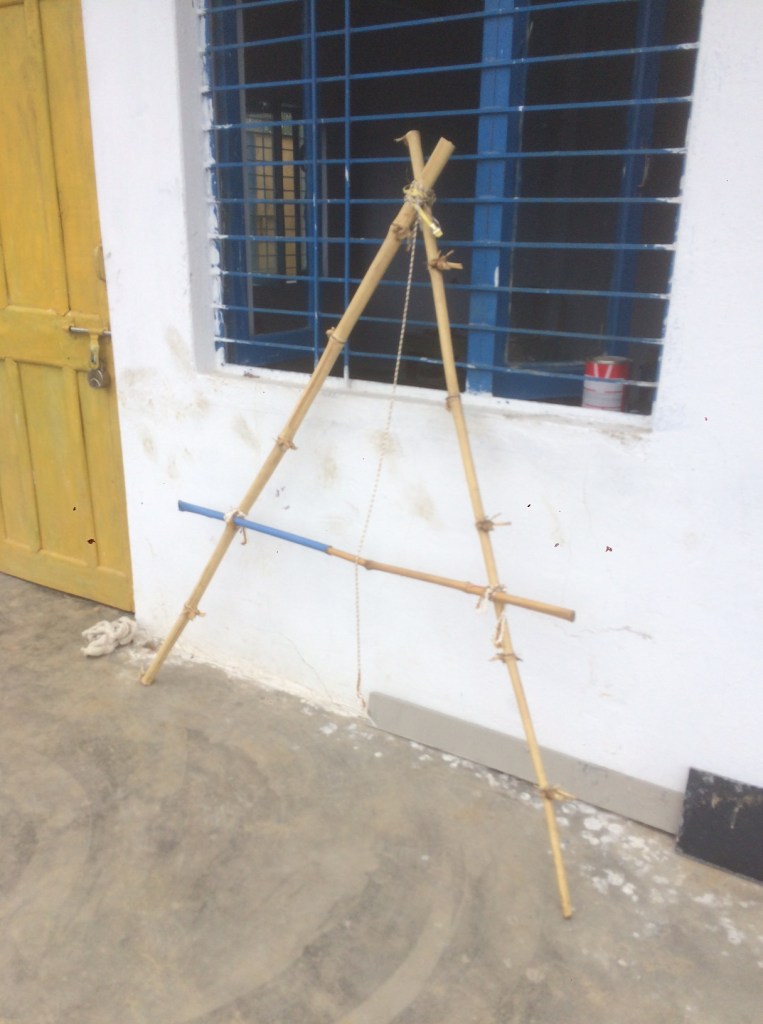
This might seem rather elementary, but making our first A-frame level is to us like making one of the first stone tools…

Towards greater organization and comfort….
The blank map to be filled in

Fixing up the office so that it’s easy to work there for long hours is an important step towards making this land our own!

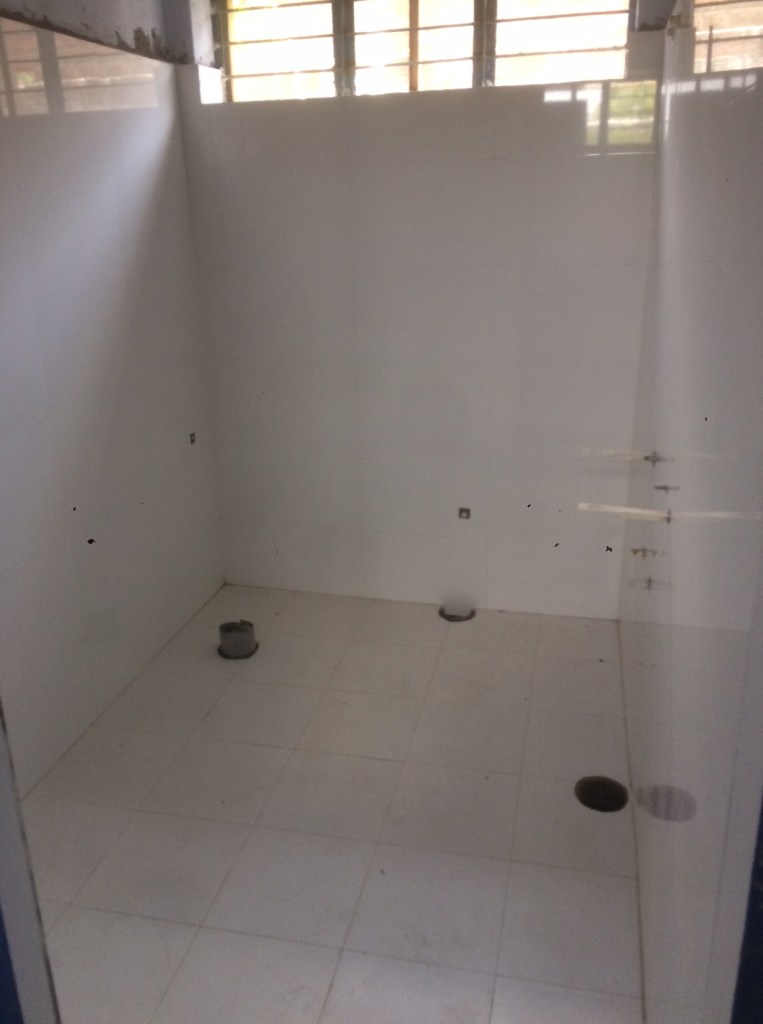
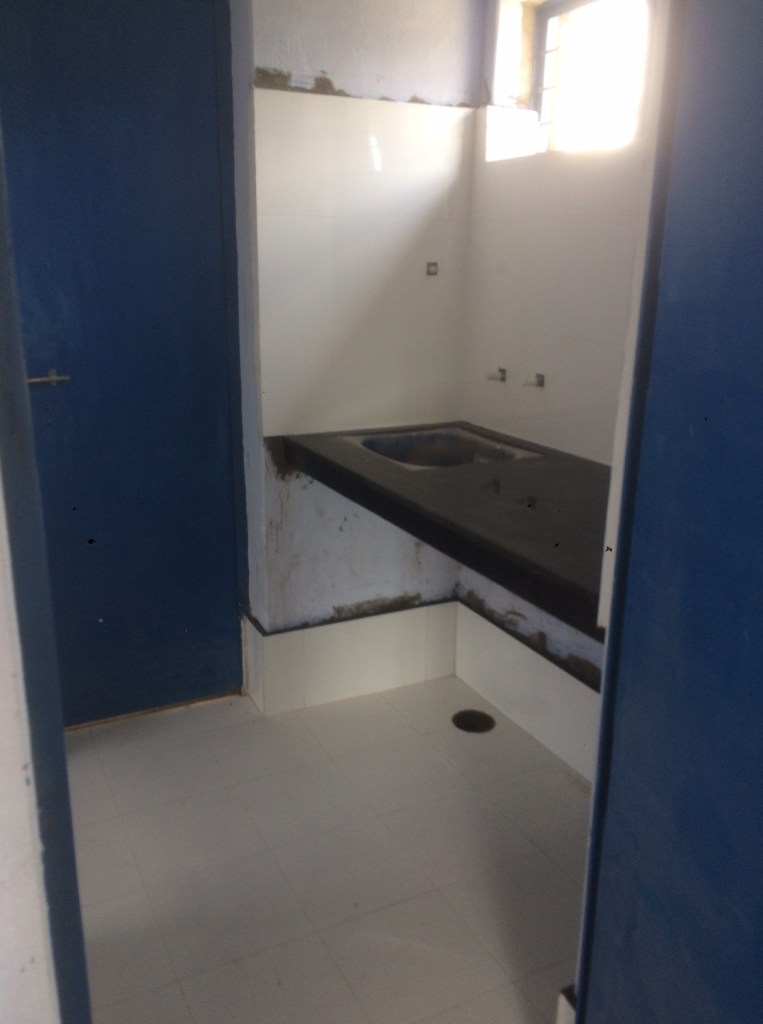
Newly tiled bathroom
…and kitchenette